Samacheer Kalvi 10th Maths Solutions Chapter 1 Relations and Functions Unit Exercise 1

You can Download Samacheer Kalvi 10th Maths Book Solutions Guide Pdf, Tamilnadu State Board help you to revise the complete Syllabus and score more marks in your examinations.

Tamilnadu Samacheer Kalvi 10th Maths Solutions Chapter 1 Relations and Functions Unit Exercise 1

10th Maths Unit Exercise 1 Question 1.
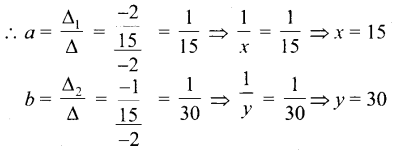
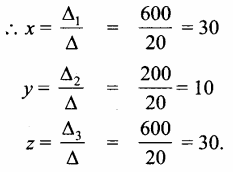
If the ordered pairs (x2 – 3x, y2 + 4y) and (-2, 5) are equal, then find x and y.
Solution:
(x2 – 3x, y+ 4y) = (-2, 5)
x2 – 3x = -2
x2 – 3x + 2 = 0
10th Maths Unit Exercise 1 Samacheer Kalvi Solutions Chapter 1 Relations And Functions

10th Maths Chapter 1 Unit Exercise Question 2.
The cartesian product A × A has 9 elements among which (-1, 0) and (0,1) are found.
Find the set A and the remaining elements of A × A.
Answer:
n(A × A) = 9
n(A) = 3
A = {-1,0,1}
A × A = {-1, 0, 1} × {-1, 0, 1}
A × A = {(-1,-1)(-1, 0) (-1, 1)
(0, -1) (0, 0) (0, 1)
(1,-1) (1, 0) (1, 1)}
The remaining elements of A × A =
{(-1, -1) (-1, 1) (0, -1) (0, 0) (1,-1) (1,0) (1,1)}

10th Maths Unit 1 Question 3.
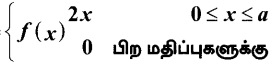
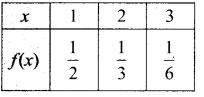
Given that
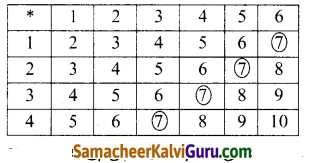
10th Maths Chapter 1 Unit Exercise Solutions Relations And Functions Samacheer Kalvi
(i) f(0)
(ii) f(3)
(iii) f(a + 1) in terms of a.(Given that a > 0)
Solution:
(i) f(0) = 4
(ii) f(3) = \(\sqrt{3-1}=\sqrt{2}\)
(iii) f(a + 1) = \(\sqrt{a+1-1}=\sqrt{a}\)

Samacheer Kalvi 10th Maths Book Solutions Question 4.
Let A = {9,10,11,12,13,14,15,16,17} and let f : A → N be defined by f(n) = the highest prime factor of n ∈ A. Write f as a set of ordered pairs and find the range of f.
Answer:
A= {9, 10, 11, 12, 13, 14, 15, 16, 17}
f: A → N
f(x) = the highest prime factor n ∈ A
f = {(9, 3) (10, 5) (11, 11) (12, 3) (13, 13) (14, 7) (15, 5) (16, 2) (17, 17)}
Range of f = {3, 5, 11, 13, 7, 2, 17}
= {2, 3, 5, 7, 11, 13, 17}

10th Maths Exercise 1.1 Samacheer Kalvi Question 5.
Find the domain of the function f(x) = \(\sqrt{1+\sqrt{1-\sqrt{1-x^{2}}}}\)
Solution:
f(x) = \(\sqrt{1+\sqrt{1-\sqrt{1-x^{2}}}}\)
Domain of f(x) = {-1, 0, 1}
(x2 = 1, -1, 0, because \(\sqrt{1-x^{2}}\) should be +ve, or 0)

10th Maths Unit Exercise Solutions Question 6.
If f (x) = x2, g(x) = 3x and h(x) = x – 2, Prove that (f o g)o h = f o(g o h).
Answer:
f(x) = x2 ; g(x) = 3x and h(x) = x – 2
L.H.S. = (fog) oh
fog = f[g(x)]
= f(3x)
= (3x)2 = 9x2
(fog) oh = fog[h(x)]
= fog (x – 2)
= 9(x – 2)2
= 9[x2 – 4x + 4]
= 9x2 – 36x + 36 ….(1)
R.H.S. = fo(goh)
goh = g [h(x)]
= g(x – 2)
= 3(x – 2)
= 3x – 6
fo(goh) = fo [goh (x)]
= f(3x – 6)
= (3x – 6)2
= 9x2 – 36x + 36 ….(2)
From (1) and (2) we get
L.H.S. = R.H.S.
(fog) oh = fo {goh)

Samacheer Kalvi 10th Maths Exercise 1.1 Question 7.
A = {1, 2} and B = {1, 2, 3, 4} , C = {5, 6} and D = {5, 6, 7, 8} . Verify whether A × C is a subset of B × D?
Solution:
A = {1, 2), B = (1, 2, 3, 4)
C = {5, 6}, D = {5, 6, 7, 8)
A × C = {(1, 5), (1, 6), (2, 5), (2, 6)}
B × D = {(1, 5), (1, 6), (1, 7), (1, 8), (2, 5), (2, 6), (2, 7), (2, 8), (3, 5), (3, 6), (3, 7), (3, 8), (4, 5), (4, 6), (4, 7), (4, 8)}
(A × C) ⊂ (B × D) It is proved.

10th Maths Unit 1 Question Paper Question 8.
If f(x) = \(\frac{x-1}{x+1}\), x ≠ 1 show that f(f(x)) = \(-\frac{1}{x}\), Provided x ≠ 0.
Solution:
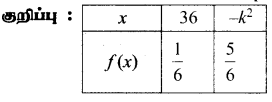
10th Maths Unit 1 Samacheer Kalvi Solutions Chapter 1 Relations And Functions
Hence it is proved.

10th Maths Unit Exercise Question 9.
The function/and g are defined by f(x) = 6x + 8; g(x) = \(\frac{x-2}{3}\).
(i) Calculate the value of \(gg\left(\frac{1}{2}\right)\)
(ii) Write an expression for g f(x) in its simplest form.
Solution:
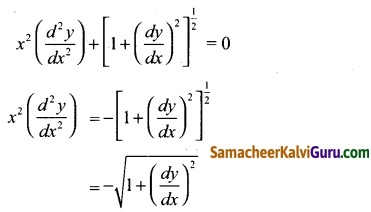
Samacheer Kalvi 10th Maths Book Solutions Chapter 1 Relations And Functions Unit Exercise 1

10th Maths Chapter 1 Samacheer Kalvi Question 10.
Write the domain of the following real functions
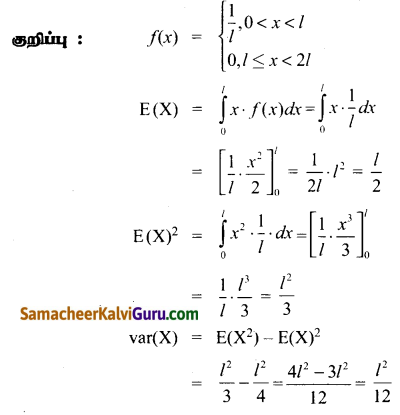
10th Maths Exercise 1.1 Samacheer Kalvi Solutions Chapter 1 Relations And Functions Unit
Solution:
(i) f(x) = \(\frac{2x+1}{x-9}\)
The denominator should not be zero as the function is a real function.
∴ The domain = R – {9}
(ii) p(x) = \(\frac{-5}{4 x^{2}+1}\)
The domain is R.
(iii) g(x) = \(\sqrt{x-2}\)
The domain = [2, ∝)
(iv) h(x) = x + 6
The domain is R.

Samacheer Kalvi 10th Science Solutions Chapter 22 Environmental Management

Students who are preparing for the Science exam can download this Tamilnadu State Board Solutions for Class 10th Science Chapter 22 from here for free of cost. These Tamilnadu State Board Textbook Solutions PDF cover all 10th Science Environmental Management Book Back Questions and Answers.

All these concepts of Chapter 22 Environmental Management are explained very conceptually by the subject teachers in Tamilnadu State Board Solutions PDF as per the prescribed Syllabus & guidelines. You can download Samacheer Kalvi 10th Science Book Solutions Chapter 22 Environmental Management State Board Pdf for free from the available links. Go ahead and get Tamilnadu State Board Class 10th Science Solutions of Chapter 22 Environmental Management.

Tamilnadu Samacheer Kalvi 10th Science Solutions Chapter 22 Environmental Management

Kickstart your preparation by using this Tamilnadu State Board Solutions for Class 22th Science Chapter 22 Environmental Management Questions and Answers and get the max score in the exams. You can cover all the topics of Chapter 22 easily after studying the Tamilnadu State Board Class 22th Science Textbook solutions pdf. Download the Tamilnadu State Board Science Chapter 22 Environmental Management solutions of Class 22th by accessing the links provided here and ace up your preparation.

Samacheer Kalvi 10th Science Environmental Management Textual Evaluation Solved

I. Fill in the blanks.

10th Science Solutions Samacheer Kalvi Question 1.
Deforestation leads to ______ in rainfall.
Answer:
Reduction

10th Science Environmental Management Question 2.
Removal of soil particles from the land is called ______
Answer:
Soil erosion

Environmental Management Questions And Answers Pdf Question 3.
Chipko movement is initiated against ______
Answer:
the cutting down of trees

Samacheer Kalvi Guru 10th Science Question 4.
______ is a biosphere reserve in Tamilnadu.
Answer:
Nilgiris

10th Science Solution Samacheer Kalvi Question 5.
Tidal energy is ______ type of energy.
Answer:
Non-conventional or renewable

Science Samacheer Kalvi Question 6.
Coal, petroleum and natural gas are called ______ fuels.
Answer:
Fossil

Samacheer Kalvi Science Question 7.
______ is the most commonly used fuel for the production of electricity.
Answer:
Coal

II. State whether True or False. If false, write the correct statement:

Science Solution Class 10 Samacheer Kalvi Question 1.
Biogas is a fossil fuel.
Answer:
False
Correct statement: Biogas is the mixture of methane, hydrogen sulphide, carbon-di-oxide and hydrogen.

Samacheer Kalvi 10 Th Science Question 2.
Planting trees increase the groundwater level.
Answer:
True

Class 10 Samacheer Kalvi Science Solutions Question 3.
Habitat destruction caused loss of wildlife.
Answer:
True

Samacheer Kalvi Guru 10th Science Book Back Answers Question 4.
Nuclear energy is renewable energy.
Answer:
False
Correct statement: Nuclear energy is a non-renewable energy source. The material used in nuclear plants is not renewable.

Samacheerkalvi.Guru 10th Science Question 5.
Overgrazing prevents soil erosion.
Answer:
False
Correct statement: During overgrazing, most of the plants are eaten up. If the plants or vegetation is retained, the soil is not exposed. Soil erosion occurs due to overgrazing.

10th Samacheer Kalvi Science Solutions Question 6.
Poaching of wild animals is a legal act.
Answer:
False
Correct statement: Poaching should be prohibited.

Samacheer Kalvi.Guru 10th Science Question 7.
The national park is a protected park.
Answer:
True

Samacheerkalvi.Guru Science Question 8.
Wildlife protection act was established in 1972.
Answer:
True

III. Match the following:

Samacheer Kalvi Guru Science Question 1.

Column AColumn B
1. Soil erosion(a) energy saving
2. Bio-gas(b) acid rain
3. Natural gas(c) removal of vegetation
4. Greenhouse gas(d) renewable energy
5. CFL bulbs(e) CO2
6. Wind(f) non-renewable energy
7. Solid waste(g) lead and heavy metals

Answer:

  1. (c) Removal of vegetation
  2. (d) Renewable energy
  3. (f) Non-renewable energy
  4. (e) CO2
  5. (a) energy saving
  6. (b) acid rain
  7. (g) Lead and heavy metals

IV. Choose the correct answer:

Samacheer Kalvi Guru 10th Science Guide Question 1.
Which of the following is/are a fossil fuel?
i. Tar
ii. Coal
iii. Petroleum
(a) i only
(b) i and ii
(c) ii and iii
(d) i, ii and iii
Answer:
(c) ii and iii

Environmental Management 10th Class Exercise Question 2.
What are the steps will you adopt for better waste management?
(a) reduce the amount of waste formed
(b) reuse the waste
(c) recycle the waste
(d) all of the above
Answer:
(d) all of the above

Question 3.
The gas released from vehicles exhaust is _________
i. Carbon monoxide
ii. Sulphur dioxide
iii. Oxides of nitrogen
(a) i and ii
(b) i and iii
(c) ii and iii
(d) i, ii and iii
Answer:
(d) i, ii and iii

Question 4.
Soil erosion can be prevented by:
(a) deforestation
(b) afforestation
(c) over growing
(d) removal of vegetation
Answer:
(b) afforestation

Question 5.
A renewable source of energy is ______
(a) petroleum
(b) coal
(c) nuclear fuel
(d) trees
Answer:
(d) trees

Question 6.
Soil erosion is more where there is:
(a) no rain fall
(b) low rainfall
(c) rain fall is high
(d) none of these
Answer:
(c) rain fall is high

Question 7.
An inexhaustible resources is _______
(a) wind power
(b) soil fertility
(c) wildlife
(d) all of the above
Answer:
(d) all of the above

Question 8.
Common energy source in village is:
(a) electricity
(b) coal
(c) biogas
(d) wood and animal dung
Answer:
(d) wood and animal dung

Question 9.
The greenhouse effect refers to _____
(a) cooling of Earth
(b) trapping of UV rays
(c) cultivation of plants
(d) warming of Earth
Answer:
(d) warming of Earth

Question 10.
A cheap, conventional, commercial and inexhaustible source of energy is:
(a) hydropower
(b) solar energy
(c) wind energy
(d) thermal energy
Answer:
(c) wind energy

Question 11.
Global warming will cause _______
(a) raise in the level of oceans
(b) melting of glaciers
(c) sinking of islands
(d) all of these
Answer:
(d) all of these

Question 12.
Which of the following statement is wrong with respect to wind energy?
(a) wind energy is a renewable energy
(b) the blades of wind mill are operated with the help of electric motor
(c) production of wind energy is pollution free
(d) usage of wind energy can reduce the consumption of fossil fuels
Answer:
(b) the blades of wind mill are operated with the help of electric motor

V. Answer in a Sentence.

Question 1.
What will happen if trees are cut down?
Answer:
Soil erosion occurs and ecological imbalance takes place if trees are cut down.

Question 2.
What would happen if the habitat of wild animals is disturbed?
Answer:
If the habitat of wild animal is disturbed it leads to extinction of animals or on the verge of extinction.

Question 3.
What are the agents of soil erosion?
Answer:
The high velocity of wind, air currents, flowing water, landslide, human activities such as deforestation, farming and mining, and overgrazing by cattle are the agents of soil erosion.

Question 4.
Why fossil fuels are to be conserved?
Answer:
The formation of fossil fuels is a very slow process and takes very long period of time for renewals so fossil fuels are to conserved.

Question 5.
Solar energy is renewable energy. How?
Answer:
Solar energy is renewable, free source of energy, that is sustainable and totally inexhaustible.

Question 6.
How are e- wastes generated?
Answer:
e-wastes are spoiled, out dated, non-repairable, electrical and electronic devices like computer components electronic and electrical appliances.

VI. Short Answer Questions

Question 1.
What is the importance of rainwater harvesting?
Answer:
The importance of rainwater harvesting is as follows:

  • overcome the rapid depletion of groundwater levels.
  • To meet the increased demand for water.
  • Reduces flood and soil erosion.
  • Water stored in-ground is not contaminated by human and animal wastes and hence can be used for drinking purpose.

Question 2.
What are the advantages of using biogas?
Answer:

  1. It bums without smoke and therefore causes less pollution.
  2. An excellent way to get rid of organic wastes like bio-waste and sewage material.
  3. Left over slurry is a good manure rich in nitrogen and phosphorus.
  4. It is safe and convenient to use.
  5. It can reduce the amount of greenhouse gases emitted.

Question 3.
What is the environmental effect caused by sewage?
Answer:

  • Sewage is the leading polluter of water resources in India.
  • Different species of fishes are killed.
  • Contaminated water can cause diseases such as e-coli, diarrhoea and hepatitis A.

Question 4.
What are the consequences of deforestation?
Answer:
Deforestation gives rise to ecological problems like floods, drought, soil erosion, loss of wild life, extinction of species, imbalance of biogeochemical cycles, alteration of climatic conditions and desertification.

VII. Long Answer Questions

Question 1.
How does rainwater harvesting structures recharge groundwater?
Answer:
Rainwater harvesting is a technique of collecting and storing rainwater for future use. The main purpose of rainwater harvesting is to make the rainwater percolate under the ground, so as to recharge ‘groundwater level’.

Methods of rainwater harvesting
(i) Rooftop rainwater harvesting: The rainwater that falls on the roof of the houses, apartments and commercial buildings, etc, is collected and stored in the surface tank and is used for domestic purpose.

(ii) Recharge pit: The collected rainwater is directed into the percolation pits through pipes for Alteration. After Alteration, the rainwater enters the recharge pits or ground wells.

  • Digging of tanks or lakes (Eris): Eris is constructed in such a way that, if the water in one eri overflows, it automatically gets diverted to the eri of the next village, as these eris are interconnected.
  • Ooranis: These are small ponds to collect rainwater. They are used for various domestic purposes.

Question 2.
How will you prevent soil erosion?
Answer:

  1. Retain vegetation cover, so that soil is not exposed.
  2. Cattle grazing should be controlled.
  3. Crop rotation and soil management improve soil organic matter.
  4. Runoff water should be stored in the catchment.
  5. Reforestation, terracing and contour ploughing.
  6. Wind speed can be controlled by planting trees in form of a shelter belt.

Question 3.
What are the sources of solid wastes? How are solid wastes managed?
Answer:
Solid wastes mainly include municipal wastes, hospital wastes, industrial wastes and e-wastes, etc. The solid wastes are dumped in the soil, which results in landscape pollution. Solid-waste management involves the collection, treatment and proper disposing of solid material that is discarded from the household and industrial activities.

Methods of solid wastes disposal:

  • Segregation: It is the separation of different type of waste materials like biodegradable and non-biodegradable wastes.
  • Sanitary landfill: Solid wastes are dumped into low lying areas. The layers are compacted by trucks to allow settlement. The waste materials get stabilised in about 2-12 months. The organic matter undergoes decomposition.
  • Incineration: It is the burning of non-biodegradable solid wastes (medical wastes) in the properly constructed furnace at high temperature.
  • Composting: Biodegradable matter of solid wastes is digested by microbial action or earthworms and converted into humus.

Question 4.
Enumerate the importance of forest.
Answer:
Forests are an important component of our environment and are dominated by microorganisms, flowering plants, shrubs, climbers, dense trees and provide a vast habitat for wild animals. Forests also contribute to the economic development of our country. Forests are vital for human life, it is a source for a wide range of renewable natural resource. They provide wood, food, fodder, fibre and medicine.

Forests are major factor of environmental concern. They act as a carbon sink, regulate climatic conditions, increase rainfall, reduce global warming, prevent natural hazards like flood and landslides, protect wildlife and also act as catchments for water conservation. They also play a vital role in maintaining ecological balance.

Question 5.
What are the consequences of soil erosion?
Answer:
The consequences of soil erosion are as follows:

  • It has led to increased pollution and sedimentation in streams and rivers.
  • Clogging the waterways and causing a decrease in fish species.
  • Degraded lands often have less ability to hold on to water.
  • Topsoil is removed.
  • Topsoil quality is reduced.
  • No medium crops to grow in soil with poor quality.
  • Use of artificial fertilizers.
  • Disrupts ecosystem.

Question 6.
Why is the management of forest and wildlife resource considered as a challenging task?
Answer:
People would consider forest is a source of raw materials for the factories and industries, and utilise it for development of human without considering about other organism. There are many stake holders of forest. They are those people who are directly or indirectly involved in forest. Management of forest and called life has to take into account the interest of all stake holders which become a challenging task.

VIII. Assertion and Reasoning Questions

In each of the following question, a statement of assertion (A) is given and a corresponding statement of Reason (R). Of the four statements given below mark the correct answer.
(a) Both assertion and reason are true and the reason is the correct explanation of assertion.
(b) Both assertion and reason are true but the reason is not the correct explanation of assertion.
(c) Assertion is true but the reason is false.
(d) Both assertion and reason are false.

Question 1.
Assertion: Rainwater harvesting is to collect and store rainwater.
Reason: Rainwater can be directed to recharge the underground water source.
Answer:
(a) Both assertion and reason are true and the reason is the correct explanation of assertion.

Question 2.
Assertion: Energy-efficient bulbs like CFL must be used to save electric energy.
Reason: CFL bulbs are costlier than ordinary bulbs, hence using ordinary bulbs can save our money.
Answer:
(c) Assertion is true but the reason is false.

IX. Higher Order Thinking Skills (HOTS) Questions

Question 1.
Although coal and petroleum are produced by the degradation of biomass, yet we need to conserve them. Why?
Answer:

  • The coal and petroleum reserves can get exhausted, if we use them at a rapid rate.
  • The formation of fossil fuel is a very slow process and takes a very long time for renewal.
  • It is necessary to conserve the resource, for the future generation, by reducing their consumption.

Question 2.
What are the objectives for replacing non-conventional energy resources from conventional energy resources?
Answer:
Non conventional energy resources are non-polluting renewable sources which are environmentally clean. It is available in unlimited amount in nature and they can be renewed over a short period of time inexpensive and can be harvested continuously.

Question 3.
Why is the Government imposing a ban on the use of polythene bags and plastics? Suggest alternatives. How is this ban likely to improve the environment?
Answer:
Government is imposing a ban on the use of plastic bags and plastics because,

  • Plastics pollute on land, rivers, ponds and all water bodies and soil, etc.
  • Burning of plastic in open air leads to environmental pollution, due to the release of poisonous gas.
  • The accumulation of plastic bags and plastics prevent the seeping of water into the Earth, which brings down the levels of groundwater.
  • Plastic bags can travel long distances by wind and water. They litter our landscapes and water bodies.

Alternatives:

  • Bring your own containers and bags to buy things from the shop.
  • Use paper wraps or compostable bags with cloth or brown paper.

Improvement of the environment on plastic ban:

  • Improve the health of individuals.
  • Driving to innovate alternatives.
  • Plastic pollution reduced.
  • The nation is safe.

X. Value-Based Questions

Question 1.
Why is it not possible to use solar cells to meet our energy needs? State three reason to support to your answer.
Answer:
In solar cells, the solar panel convert solar energy into electricity, which stored in storage battery. The storage battery gives direct current, which is to be converted into alternating current by an suitable appliances before it can be used to run various, devices. So, it increases the cost of using panels as the source of energy.

In the solar cells the energy is obtained only during the day, when the sun shines. So the solar cells is not used to meet our energy needs.

Question 2.
How would you dispose of the following wastes?

  1. Domestic wastes like vegetable peels
  2. Industrial wastes like metallic cans

Can the disposal protect the environment? How?
Answer:

  1. Domestic wastes have to be thrown out with the trash.
  2. Do vermiform composting system for vegetable wastes which can be used as a manure. Industrial wastes like metallic cans can be recycled.

Question 3.
List any three activities based on 3R approach to conserve natural resources.
Answer:
Recycling : Using recycled material of glass plastic, paper, metal etc.
Reuse : Repeating use of items.
Reduce : Avoid the use of materials which increases the solid waste.
Use of public transport instead of personal transport to reduce to consumption of fuel. Use of materials such as paper should be preferred.

Textbook Activities Solved

Question 1.
Collect information regarding the
(i) Tehri Dam project
(ii) Sardar Sarovar Dam project
Answer:
(i) Tehri Dam project:
Tehri Dam is the highest dam in India and one of the highest in the world. It is a multi-purpose rock and earth-filled embankment dam on the Bhagirathi River near Tehri in Uttarakhand, India. It is the primary dam of the THDC India limited and the Tehri hydro-electric complex. The Tehri Dam withholds a reservoir for irrigation, municipal water supply and the generation of 1000 megawatts of hydroelectricity.

(ii) Sardar Sarovar dam project:
Sardar Sarovar Dam is a gravity dam on the Narmadha river near Navagam. It is a part of the Narmada valley project, a large hydraulic engineering project.
Benefits:

  • Provides irrigation facilities.
  • Drinking water supply.
  • There are two powerhouses, red bed powerhouse and canal head powerhouse with a capacity of 1200 MW and 250 MW, respectively.
  • It provides flood protection.
  • Wildlife sanctuaries are maintained.
  • Development of fisheries.
  • Water supply for industries.
  • Protection of conserved forests.

Samacheer Kalvi 10th Science Environmental Management Additional Questions Solved

I. Fill in the blanks.

Question 1.
______ is used for generation of _____, at thermal power plants.
Answer:
Coal, Electricity

Question 2.
Petroleum is refined to produce _____ and _____, which are used to run automobiles, trucks, trains and ships, etc.
Answer:
Petrol, Diesel

Question 3.
______ and ______ obtained from petroleum are used as domestic fuel.
Answer:
Kerosene, LPG

Question 4.
Solar energy is obtained from ______
Answer:
Sun

Question 5.
Solar cells convert sunlight directly into ______
Answer:
Electricity

Question 6.
_______ plants convert the kinetic energy of flowing water into electricity.
Answer:
Hydropower

Question 7.
The 3R approach such as _____, _____ and ______ may be followed to effective waste management.
Answer:
Reduce, Reuse and Recycle

Question 8.
_______ is a reserved area for the conservation of entire wildlife including plants and animals.
Answer:
National park

Question 9.
______ is a place reserved exclusively for the use of animals.
Answer:
Sanctuary

Question 10.
Unwanted, non-working and out-dated electronic products become ______
Answer:
e-waste

Question 11.
In India, the forests are classified into ______ forests and ______ forests.
Answer:
Reserved, Protected

Question 12.
The small ponds to collect rainwater is called ______
Answer:
Ooranis

II. Write true or false for the following statements. Correct the false statements:

Question 1.
Conservation of natural resources makes an important contribution to the social and economic development of the country.
Answer:
True

Question 2.
Overexploitation and shrinking of forest resulted, the increase of animals and the nourishment of wildlife.
Answer:
False
Correct statement: Overexploitation and shrinking of forest resulted, in animals becoming extinct, some are threatened and some are on the verge of extinction.

Question 3.
The potential energy possessed by the wind, due to lower speed, that can be converted into chemical power by wind turbines.
Answer:
False
Correct statement: The kinetic energy possessed by the wind is due to its high speed, that can be converted into mechanical power by wind turbines.

Question 4.
The main purpose of rainwater harvesting is to make the rainwater, run on its surface of Earth.
Answer:
False
Correct statement: The main purpose of rainwater harvesting is to make the rainwater, to percolate under the ground, so as to recharge the groundwater level.

Question 5.
The burning of non-biodegradable solid wastes (medical wastes) in the properly constructed furnace at high temperature is called electronic wastes.
Answer:
False
Correct statement: The burning of non-biodegradable solid wastes (medical wastes) in the properly constructed furnace at high temperature is called incineration.

III. Match the following:

Question 1.

1. Van Mahotsav(a) Destruction of forests
2. Bombay Natural History Society(b) Crude oil
3. Deforestation(c) Photovoltaic devices
4. Erosion(d) Afforestation programme
5. Solar cells(e) Conservation of wildlife
6. Petroleum(f) Removal of an upper layer of soil

Answer:

  1. (d) Afforestation programme
  2. (e) Conservation of wildlife
  3. (a) Destruction of forests
  4. (f) Removal of an upper layer of soil
  5. (c) Photovoltaic devices
  6. (b) Crude oil

IV. Choose the correct answer:

Question 1.
The new sources of energy are termed as _______
(a) fossil fuel
(b) Conventional energy resources
(c) Non-conventional sources of energy
(d) conservation
Answer:
(c) non-conventional sources of energy

Question 2.
Disposable plastic plates should not be used because:
(a) They are made of materials with light weight
(b) They are made of toxic materials.
(c) They are made of biodegradable materials.
(d) They are made of non-biodegradable materials.
Answer:
(d) They are made of non-biodegradable materials.

Question 3.
The other name for Biogas is ______
(a) Natural gas
(b) Nitrogen gas
(c) Gobar gas
(d) Shale gas
Answer:
(c) Gobar gas

Question 4.
Wildlife includes:
(a) Wild animals only
(b) Wild plants only
(c) Wild plants and animals
(d) All plants and animals
Answer:
(d) All plants and animals

Question 5.
E-wastes are generally called as _______
(a) garbages
(b) electronic waste
(c) decomposition
(d) solid wastes
Answer:
(b) electronic waste

V. Answer the following shortly.

Question 1.
Why should we conserve forests and wild life?
Answer:
We should conserve forest and wild life to preserve the biodiversity, so as to avoid the loss of ecological stability. Without proper management of forest and wild life, the quality of soil, the water sources, and even the amount of rainfall may be affected.

Question 2.
What are the effects of deforestation?
Answer:
Deforestation gives rise to ecological problems like floods, drought, soil erosion, loss of wildlife, extinction of species, imbalance of biogeochemical cycles, alteration of climatic conditions and desertification.

Question 3.
Name the organisation involved in wild life conservation.
Answer:
Organisations Involved in Conservation of Wildlife

  1. Indian Board for WildLife (IBWL)
  2. World Wildlife Fund (WWF) for Nature
  3. World Conservation Union (WCN) ,
  4. International Union for Conservation of Nature and Natural resources (IUCN)
  5. Convention of International Trade in Endangered Species (CITES)
  6. Bombay Natural History Society
  7. Wild life Preservation Society of India, Dehradun

Question 4.
What are fossil fuels? How are they formed?
Answer:
The fossil fuels are petroleum, coal and natural gas. Due to the anaerobic decomposition of buried dead organisms, by a natural process over millions of years, energy-rich substances are formed. As the accumulating sediment layers produce heat and pressure, the remains of the organisms are gradually transformed into hydrocarbons.

Question 5.
Write the uses of solar cells.
Answer:

  1. It can be used for street lighting, traffic signals, water pumping, battery charging system etc.
  2. It is used in artificial satellites and space probes.
  3. It provides radio and TV transmission to remote areas.
  4. It is used in calculators, electronic toys and watches.

Question 6.
Write short notes about shale gas.
Answer:
Due to the compaction of small old rocks, which contain mud and minerals such as quartz and calcite, trapped beneath Earth’s surface and form the soft finely stratified sedimentary rock called shale. These rocks contain fossil fuels like oil and gas in their pores. This fuel is extracted by a technique called hydraulic fracturing.

Shale drilling could affect groundwater reserves, which can contaminate drinking water. It also affects the fertility of the soil. A million gallons of water is needed to break and release the shale gas which in turn can affect the fertility of the soil.
A million gallons of water is needed to break and release the shale gas, which in turn can affect the water table.

Question 7.
What is Tidal energy? What is it’s advantages?
Answer:
The energy obtained from the movement of water, due to ocean tides is called tidal energy. Tides are the rise and fall of sea level, caused by the combined effects of the gravitational force. A tidal stream is a fast-flowing body of water created by tides. Turbines are placed in tidal streams. When the tides hit the turbine, the turbine rotates and converts the tidal energy into electric energy.
Advantages:

  • It does not produce any pollution.
  • It does not use any fuel and does not produce any waste.
  • Tides are predictable, so tidal energy can be produced at any time.
  • Water is denser than air and therefore can generate electricity at lower speeds than wind turbines.

Question 8.
How is electric energy conserved?
Answer:

  • Use energy-efficient appliances to save electricity like compact fluorescent lamps (CFL), Light Emitting Diode [LED] bulbs and other electrical equipment.
  • Switch off the lights and fans, television and other electrical appliances, when not in use.
  • Switch off the mobile phone chargers when not in use.
  • Use more off solar radiation. Solar water heating system can be used instead of electric geysers.
  • Minimise the use of air conditioners.

Question 9.
What are the sources of e-waste? What is the environmental impact of e-waste?
Answer:
E-wastes are called electronic wastes, which includes the spoiled, outdated; non-repairable electrical and electronic devices. These wastes contain toxic metals like lead, cadmium, chromium and mercury, and also contains iron, copper, silicon, aluminium and gold, which can be recovered. The sources of e-wastes are:

  • Electronic device: Computers, laptops, mobile phones, printers, monitors, televisions, DVD players, calculators, toys and sports equipment.
  • Household electrical appliances: Refrigerators, washing machine, microwave oven, mixer, grinder and water heater, etc.
  • Accessories: Printing cartridges, batteries and chargers.

Environmental impact of e-wastes:
Disposal of any kind of electrical and electronic devices without knowledge can become the landfill and water pollutants.
Electronic equipment contains many heavy metals such as lead and cadmium that can cause severe soil and groundwater pollution. E-waste dumping yards and the places, nearby are polluted and cause a severe health hazard.

Question 10.
What is the 3R approach of ineffective waste management?
Answer:
Reduce, Reuse and Recycle are the 3R approach for effective waste management. Reducing the amount of waste, we produce is the best way to help the environment. Buying products with minimum packaging, not borrowing things which we do not use often, starting a compost bin, saving energy and water by turning are ways to reduce. Reuse materials in their original form or pass those materials on to others, who could use them. Paper cardboard, metals, plastics and textiles, etc can be recycled. The compost or reuse of bio-degradable wastes is also a kind of recycling.

Question 11.
What are non-conventional energy resources? What does it include?
Answer:
The energy resources available in an unlimited amount in nature and they can be renewed over a short period of time, inexpensive and can be harvested continuously is called the non-conventional energy resources.

The non-conventional energy resources include biofuel, bio mass-energy, geothermal energy, water energy (hydroelectric energy and tidal energy), solar energy, wave energy and wind energy.

Question 12.
What is the composition of Bio-gas? How is it formed?
Answer:

  • Bio-gas is the mixture of methane (75%), hydrogen sulphide, carbon dioxide and hydrogen.
  • It is produced by the decomposition of animal wastes (cow dung) and plant wastes in the ‘ absence of oxygen.
  • It is also commonly called as “Gobar gas”, as the starting material used is cow dung, which ~ means gobar in Hindi.

Question 13.
What are hydropower and hydropower electricity?
Answer:
Earth is covered with 71% of water. The technique to harness the water energy, from the flowing water is called the hydropower.

The electrical energy is derived from water flow and water falling from a height. In hilly areas, there is a continuous flow of water in large amounts falling from high slopes. The electricity produced by flowing water is called hydropower electricity.

VII. Answer the following in detail.

Question 1.
What are the aims of wildlife management?
Answer:
The main aim of wildlife conservation are:

  1. To control and limit exploitation of species.
  2. To preserve the plants and animals from extinction.
  3. Maintenance of threatened species and protect species which are on the verge of extinction.
  4. Preserve the endangered species.
  5. To study the ecological relationship of the plants and animals in natural habitat.
  6. Hunting and poaching should be prohibited.
  7. Establishment of National parks, Wildlife sanctuaries, protected areas and Biosphere reserves.

Question 2.
Explain in detail the classification of energy resources.
Answer:
Energy resources can be classified as renewable and non-renewable.
(i) Non-renewable (exhaustible) energy resources:
The energy obtained from sources that cannot renew themselves over a short period of time is called non-renewable energy. They include coal, petroleum, natural gas and nuclear power. The conventional energy resources account for 90% of the world’s production of commercial energy and nuclear power account for 10%.

(ii) Renewable (inexhaustible) energy resources:
Renewable (inexhaustible) energy resources are available in the unlimited amount in nature and they can be renewed over a short period of time, inexpensive and can be harnessed continuously. These are called non-conventional energy resources, which include biofuel, biomass energy, geothermal energy, water energy (hydroelectric energy and tidal energy), solar energy, wave energy and wind energy.

Question 3.
Write a note an shale gas. Explain the environment impact of shale gas.
Answer:
Shale refers to the soft finely stratified sedimentary rock that is formed from the compaction of small old rocks containing mud and minerals – such as quartz and calcite, trapped beneath earth’s surface. These rocks contain fossil fuels like oil and gas in their pores.

The fuel is extracted by a technique called hydraulic fracturing (drilling or well boring of sedimentary rocks layers to reach productive reservoir layers).

Environmental concerns of shale gas:

  1. Shale drilling could affect groundwater reserves, which can contaminate the drinking water resources and also affect the fertility of the soil.
  2. Million gallons of water is needed to break and release the shale gas, which intum can affect the water table.

Question 4.
(a) How does windmill work?
(b) List out the uses of wind energy and the advantages of wind energy.
Answer:
(a) A windmill is a machine, that converts the energy of wind, into rotational energy by broad blade attached to the rotating axis. When the blowing air strikes the blades of the windmill, it exerts force and causes the blades to rotate. The rotational movement of the blades operate the generator and the electricity is produced. The energy output from each windmill is coupled together to get electricity on a commercial scale.

(b) The uses of wind energy are as follows:

  • Generating electricity.
  • Run water pumps and flour mills, etc.
  • Rotatory motion of windmill is used to draw water from wells.

Advantages of wind energy:

  • Wind energy is a free, eco-friendly and renewable source of energy.
  • It does not cause pollution.
  • Expenses on periodic maintenance are low when compared to the other power sources.

Question 5.
(a) What are the sources of sewage or wastewater?
(b) Expiate the methods which involve in conventional wastewater treatment.
Answer:
(a) The sources of sewage or wastewater involve:

  • The domestic purpose or household activities
  • Dye and textile industries
  • Leather industries
  • Sugar and breweries industries
  • Paper and pulp industries

(b) The conventional wastewater treatment methods involve the following step:

  • Pre-screening: Wastewater generated from domestic and industrial activities is screened to remove soil and solid particulates.
  • Aeration: Screened wastewater is pumped to an aeration tank. Here the microbial contaminants are removed by the biological degradation, that occurs, in the presence of air.
  • Sedimentation process: In this process, the solid particles in suspension form are allowed to settle. The particles that settle out from the suspension is known as sludge.
  • Sludge removal: The sludge generated by the degradation process is transferred periodically from the tank for safe disposal.
  • Disinfection: Chlorination and ultraviolet (UV) radiation of treated water is required to remove any microorganism contamination.
  • Water recycling: The water will then be supplied for domestic or industrial purposes.

10th Science Solutions Samacheer Kalvi Chapter 22 Environmental Management

VII. Higher Order Thinking Skills (HOTS) Questions

Question 1.
There are certain NGOs which ask people to donate their used clothes, toys, school books, house hold items. These NGOs segregate the collected items and distribute them to the needy people. What objectives do these NGOs fulfil by this initiatives?
Answer:
The objective behind this is Reuse and Recycle.

Question 2.
Name the national park, which was first established at Uttarakhand.
Answer:
Jim Corbett national park.

Question 3.
An environmentalist on your visit to your school suggested the use of 3R’s to same the environment. Explain the 3R’s.
Answer:
The 3R’s are Reduce, Reuse and Recycle.
Reuse : Instead of throwing thing away, try to find ways to use them again.
Recycle : Creating new product out of the materials from the old.
Reduce : It is the best way to help the environment by reducing the amount of waste you produce.

Question 4.
Where does India stand at the consumer of crude oil?
Answer:
India is the third-largest consumer of crude oil in the world after the United States and China.

Question 5.
Why does the white marble of Tajmahal become yellow?
Answer:
The Mathura oil refinery owned by Indian Oil Corporation presents around this area, which produces sulphur and nitrogen oxides. The white marble became yellow due to air pollution. The Government of India has set up emission standards around the monument to protect it from the damage.

Question 6.
Name the fourth oldest dam in the world? Where is it located?
Answer:
Kallanai Dam, which is also Called Grand Anicut, is the fourth oldest dam in the world. The dam is located on the river Kaveri, 20 km from the city of Tiruchirappalli.

Question 7.
Where is the world’s largest and tallest wind turbine located?
Answer:
The world’s largest and tallest wind turbine is situated in Hawai. One wind turbine can produce electricity for 300 homes.

Question 8.
Name the health effects of the following E-wastes.
Answer:

  • Lead: Damages the central and peripheral nervous system. It also affects brain development in children.
  • Chromium: Asthmatic bronchitis.
  • Cadmium: Accumulates in kidney and liver; Neural damage.
  • Mercury: Chronic damage to the brain and respiratory system.
  • Plastics including polyvinyl chloride [PVC]: Burning produces, dioxin, which can cause developmental and reproductive problems and damage the immune system.

Believing that the Tamilnadu State Board Solutions for Class 22th Science Chapter 22 Environmental Management Questions and Answers learning resource will definitely guide you at the time of preparation. For more details about Tamilnadu State Board Class 22th Science Chapter 22 textbook solutions, ask us in the below comments and we’ll revert back to you asap.

Samacheer Kalvi 10th Social Science History Solutions Chapter 10 Social Transformation in Tamil Nadu

Guys who are planning to learn and understand the topics of 10th Social Science History can grab this Tamilnadu State board solutions for Chapter 10 Social Transformation in Tamil Nadu Questions and Answers from this page for free of cost. Make sure you use them as reference material at the time of preparation & score good grades in the final exams.

Students who feel tough to learn concepts can take help from this Samacheer Kalvi 10th Social Science Book Solutions Guide Pdf, all the Questions and Answers can easily refer in the exams. Go to the below sections and get 10th Social Science History Chapter 10 Social Transformation in Tamil Nadu Tamilnadu State Board Solutions PDF.

Tamilnadu Samacheer Kalvi 10th Social Science History Solutions Chapter 10 Social Transformation in Tamil Nadu

Do you feel scoring more marks in the 10th Social Science History Grammar sections and passage sections are so difficult? Then, you have the simplest way to understand the question from each concept & answer it in the examination. This can be only possible by reading the passages and topics involved in the 10th Social Science History Board solutions for Chapter 10 Social Transformation in Tamil Nadu Questions and Answers. All the Solutions are covered as per the latest syllabus guidelines. Check out the links available here and download 10th Social Science History Chapter 10 textbook solutions for Tamilnadu State Board.

Social Transformation in Tamil Nadu Textual Exercise

I. Choose the correct answer.

Social Transformation In Tamil Nadu Question 1.
……………. was the pioneer of social Reformers in India.
(a) C.W. Damotharanar
(b) Periyar
(c) Raja Rammohan Roy
(d) Maraimalai Adigal
Answer:
(c) Raja Rammohan Roy

Social Transformation Meaning In Tamil Question 2.
…………….. established a full-fledged printing press in 1709, atTranquebar.
(a) Caldwell
(b) F.W. Ellis
(c) Ziegenbalg
(d) Meenakshisundaram
Answer:
(c) Ziegenbalg

Samacheer Kalvi Guru 10th Social Question 3.
……………. was the official newspaper of the Self Respect Movement.
(a) Kudi Arasu
(b) Puratchi
(c) Viduthalai
(d) Paguththarivu
Answer:
(a) Kudi Arasu

Question 4.
Periyar wanted religion to be replaced by :
(a) Nationalism
(b) Iconoclasm
(c) Rationalism
(d) Spiritualism
Answer:
(c) Rationalism

Question 5.
…………… founded Adi Dravida Mahajana Sabha in 1893.
(a) Rettaimalai Srinivasan
(b) B. R. Ambedkar
(c) Rajaji
(d) M. C. Rajah
Answer:
(a) Rettaimalai Srinivasan

Question 6.
India’s first organised trade union, the Madras Labour Union was formed in ……………..
(a) 1918
(b) 1917
(c) 1916
(d) 1914
Answer:
(a) 1918

Question 7.
……………. was established by the Justice Party Government for the selection of Government officials.
(a) Staff Selection Board
(b) Public Service Commission
(c) Provincial Staff Recruitment Board
(d) Staff Selection Commission
Answer:
(a) Staff Selection Board

Question 8.
…………….. was the first elected Legislative Council Member from the depressed class in Madras Province.
(a) M.C. Rajah
(b) Rettaimalai Srinivasan
(c) T.M. Nair
(d) P. Varadarajulu
Answer:
(a) M.C. Rajah

II. Fill in the blanks.

1. …………… was the first non-European language that went into print.
2. The college of Fort St. George was founded by ……………….
3. …………….. is considered the father of Tamil linguistic purism.
4. ……………. was the first to approve participation of women in the electoral politics.
5. The name Suriyanarayana Sastri changed in Tamil as …………
6. ………….. gave prominence to Tamil music.
7. The first Woman Legislator in India was …………
Answers:
1. Tamil
2. F.W. Ellis
3. Maraimalai Adigal
4. Justice Party government
5. Parithimar Kalignar
6. Abraham Pandithar
7. Muthulakshmi Reddi

III. Choose the correct statement.

Question 1.
(i) Thirukkural was one of the earliest Tamil literary texts to be published in 1812.
(ii) Maraimalai Adigal collected and edited different palm leaf manuscripts of the Tamil grammar and literature.
(iii) Robert Caldwell established the close affinity between the Dravidian languages in contrast with Sanskrit and also established the antiquity of Tamil.
(iv) Thiru.Vi. Kalyanasundaram was an early pioneer in Trade union movement. .
(a) (i) and (ii) are correct
(b) (i) and (iii) are correct
(c) (iv) is correct
(d) (ii) and (iii) are correct
Answer:
(b) (i) and (iii) are correct

Question 2.
(i) Margret Cousin was one of the founders of Women’s India Association.
(ii) Periyar spent his entire life campaigning against superstitions through Thinkers or Rationalists Forums he had formed.
(iii) Singaravelar was a staunch supporter of the Flindu Mahasabha.
(iv) Periyar emphasised that the caste system in South India is linked with the arrival of Brahmins from the North.
(a) (iii) and (iv) are correct
(b) (ii), (iii) and (iv) are correct
(c) (i) (ii) and (iv) are correct
(d) (ii) and (iii) are correct
Answer:
(c) (i) (ii) and (iv) are correct

Question 3.
Assertion (A): The Justice Party continued to remain in government from 1920-1937 in Madras Presidency.
Reason (R): The Congress Party boycotted the Madras Legislature during this period of Dyarchy.
(a) Both A and R are correct
(b) A is correct, but R is not the correct explanation
(c) Both A and R are wrong
(d) R is correct, but it has no relevance to A
Answer:
(a) Both A and R are correct

Question 4.
Assertion (A): As World War I was in progress, the British Government was considering the introduction of representative institutions for Indians after the war.
Reason (R): In 1920, Dyarchy as a form of Government was introduced in the provinces.
(a) A is correct, but R is not the correct reason
(b) Both A and R are wrong
(c) Both A and R are right
(d) A is wrong and R has no relevance to A
Answer:
(b) Both A and R are wrong

IV. Match the following.
Social Transformation In Tamil Nadu Samacheer Kalvi 10th Social Science History Solutions Chapter 10
Answer:
1. (d)
2. (c)
3. (a)
4. (b)

V. Answer briefly.

Question 1.
Write a note on Tamil Renaissance.
Answer:

  1. The cultural hegemony of colonialism and the rise of humanism brought several changes in the socio – cultural life of the Indian subcontinent.
  2. Modem Tamil Nadu too experienced such a historical transition.
  3. Tamil language and cultural played a significant role in their identity construction.
  4. The introduction of printing press linguistic research on Dravidian languages etc under pinned the process of Tamil renaissance.
  5. Religious literature was taken up for publication after the advent of printing technology.

Question 2.
Highlight the contribution of Caldwell for the cause of South Indian languages.
Answer:
In 1816, F.W. Ellis formulated the theory that the South Indian languages belonged to a separate family which was unrelated to the Indo-Aryan family of languages. Robert Caldwell expanded this argument in a book titled, A comparative Grammar of the Dravidian or South Indian Family of languages, in 1856. He established a close affinity between the Dravidian languages in contrast with Sanskrit and also established the antiquity of Tamil.

Question 3.
List out the personalities who contributed to the revival of Tamil literature through their writings.
Answer:
C.W. Damotharanar (1832 – 1901) and U.V. Swaminathar (1855 – 1942) Parithimar Kalaignar (1870 – 1903), Thiru.Vi. Kalyanasundaram (1883 – 1953), Maraimalai Adigal (1876 – 1950), Subramania Bharathi (1882 – 1921), S. Vaiyapuri (1891 – 1956), and the poet Bharathidasan (1891 – 1964) in their ownways and through their writings, contributed to the revival of Tamil Literature.

Question 4.
Discuss the importance of Hindu Religious Endowment Act passed by the Justice ministry?
Answer:
Tamil Nadu has a large number of temples. These temples commanded huge resources which were monopolised and exploited by the dominant caste in the society and led to the mismanagement of public resources. The Justice Party introduced the Hindu Religious Endowment Act in 1926 and enabled any individual, irrespective of their caste affiliation, to become member of the temple committee and govern the resources of the religious institutions.

Question 5.
What do you know of the Cheranmadevi Gurukulam incident?
Answer:

  1. Caste based discrimination in the dinning hall at the Cheranmadevi Gurukulam (School), which was run by V.V. Subramaniam (a Congress leader) with the financial support of theTamil Nadu Congress Committee.
  2. Periyar was disappointed when, despite his objections and protests against this discrimination, the Congress continued to support the iniquitous practice in the Gurukulam.

Question 6.
Name the newspapers published by the South Indian Liberal Foundation.
Answer:
Name of the newspapers:

  1. Dravidian in Tamil
  2. Justice in English
  3. Andhra Prakasika in Telugu

Question 7.
Estimate Periyar as a Feminist.
Answer:

  1. Periyar was critical of patriarchy. He condemned child marriage and the devadasi system (institution of temple girls).
  2. Right from 1929, when the Self – Respect Conferences began to voice its concern over the plight of women, Periyar had been emphasising women’s right to divorce and property.
  3. Periyar objected to terms like “giving in marriage”. This, he said treats woman as a thing.
  4. He wants it substituted by “Valkaithunai” (companion) a word for marriage taken from the Thirukkural. Periyar’s most important work on this subject is why the woman is enslaved?
  5. Periyar believed that property rights for women would provide them a social status and protection. He welcomed equal rights for males and females in property, guardianship and adoption.
  6. He was a strong champion of birth control and contraception and said that motherhood was a burden to women.
  7. In 1989 Government of Tamil Nadu fulfilled the dream of radical reformers by the introduction of the Hindu Succession Tamil Nadu Amendment Act of 1989, which ensured the equal rights to ancestral . property for women in inheritance.

Question 8.
Explain the proceedings of All India Trade Union Congress Conference held in 1920?
Answer:
The first All India Trade Union Conference (AITUC) was held on 31st October 1920 in Bombay. The delegates discussed several resolutions. These included a demand for protection from police interference in labour disputes, the maintenance of an unemployment register, restrictions on exporting foodstuffs, compensation for injuries and health insurance. In addition, the delegates demanded that Indian workers be given some representation in the government, just as employers had representation on legislative councils.

VI. Answer all the questions given under each caption.

Question 1.
Periyar E.V.R
(a) When did Periyar found Dravidar Kazhagam?
Answer:
Periyar found Dravidar Kazhagam in 1944.

(b) What were the Newspapers and Journals run by Periyar?
Answer:
The newspapers and journals started by Periyar were – Kudi Arasu, Revolt, Puratchi, Paguththarivu and Viduthalai.

(c) Why was Periyar known as Vaikom hero?
Answer:
In Vaikom, people protested against the practice of no access to the temples by the lower caste people. After the local leaders were arrested Periyar led the Temple Entry Movement and was imprisoned. So, people hailed him as Vaikom Virar or hero of Vaikom.

(d) Which was the most important work of Periyar?
Answer:
Right from 1929, when the Self-respect Conferences began to voice its concern over the plight of women, Periyar had been emphasising women’s right to divorce and property. Periyar’s most important work on this subject is Why the Woman is Enslaved?

Question 2.
Labour movement in tamilnadu

(a) Highlight the factors that caused the birth of Trade Union Movement
Answer:
The First World War (1914 – 18) provides stimulus to industrial growth in India. At the end of the war there were retrenchments across the industries. Combined with high prices, this gave a momentum to the labour movement.

(b) dentify the three prominent persons associated with the Madras Labour Union.
Answer:
B.P. Wadia, Singaravelar, Thiru.Vi. Kalyanasundaram

(c) Where was the first conference of All India Trade Union Congress held?
Answer:
Bombay

(d) Who organised the first ever celebration of May Day in Madras and which year?
Answer:
Singaravelar organised the first ever celebration of May Day in 1923.

Question 3.
Maraimalai Adigal
(a) Name the Sangam texts for which Maraimalai Adigal wrote commentaries.
Answer:
Pattinappalai and Mullaipattu.

(b) Name the Journal where he worked as a young man.
Answer:
Siddhanta Deepika

(c) Why did he oppose imposition of Hindi?
Answer:
Adigal promoted the use of pure Tamil words and removal of the Sanskrit influences from Tamil language. He painted out that Tamil language would suffer with the introduction of Hindi.

(d) Who were the key influences in Maraimalai Adigal’s life?
Answer:
His teachers P. Sundaram Pillai and Somasundara Nayagar were the key influences in Maraimali Adigal’s life.

VII. Answer in detail.

Question 1.
Attempt an essay on the foundation and development of Tamil Renaissance in the 19th Century.
Answer:

  1. In the nineteenth century, Tamil scholars like C.W. Damotharanar (1832 – 1901) and U.V. Swaminathar (1855 – 1942) spent their lifetime in the re-discovery of the Tamil classics.
  2. C.W. Damotharanar collected and edited different palm-leaf manuscripts of the Tamil grammar and literature.
  3. His editions included such texts as Tolkappiyam, Viracholiyam, Iraiyanar-Akapporul, Ilakkana Villakkam, Kaliththokai and Culamani.
  4. U.V. Swaminathar a student of Meenakshi Sundaranar took efforts to publish the classical texts such a Civakachinthamani (1887), Paththupattu (1889), Chilapathikaram (1892), Purananuru (1894), Purapporul – Venpa – Malai (1895), Manimekalai (1898), Ainkurunuru (1903) and Pathitrupathu (1904).
  5. The publication of these ancient literary texts created an awareness among the Tamil people about their historical tradition, language, literature and religion.
  6. In 1816 F.W. Ellis (1777 – 1819) who founded the College of Fort . St. George formulated the theory that the South Indian languages belonged to separate family which was unrelated to the Indo – Aryan family of languages.
  7. Robert Caldwell (1814 – 1891) expanded this argument in a book titled A Comparative Grammar of the Dravidian (or) South Indian family of Languages in 1856.
  8. He established the close affinity between the Dravidian languages in contrast with Sanskrit and also established the antiquity of Tamil.
  9. Tamil intellectuals of this period identified the fundamental differences between Tamil / Dravidian / Egalitarian and Sanskrit / Aryan Brahmanism.
  10. They argued that Tamil was a language of Dravidian people who are Non – Brahmin and their social life was casteless, gender – sensitised and egalitarian.
  11. These ideas are exemplified in the Tamil invocation song in the play, Manonmaniam written by R Sundaranar (1855 – 1897).
  12. Abraham Pandithar (1859 – 1919) gave prominence to Tamil music and published books on the history of Tamil music.
  13. C.W. Damotharanar, U.V. Swaminathar Thiru.Vi. kalyanasundaram (1883 – 1953), Parithimar Kalaignar (1870 – 1903) Maraimalai Adigal (1876 – 1950), Subramania Bharathi (1882 – 1921), S. Vaiyapuri (1891 – 1956), and the poet Bharathidasan (1891 – 1964) in their own ways and through their writings, contributed to the revival of Tamil literature.
  14. V.G. Suryanarayana Sastri one of the earliest scholars to identify the influence of Sanskrit on Tamil and adopted a pure Tamil name for himself: Parithimar Kalaignar.
  15. He was the first to argue that Tamil is a classical language and demanded that the University of Madras should not call Tamil a vernacular language.
  16. Maraimalai Adigal (1876 – 1950) is considered the father of Tamil linguistic purism and the founder of Tani Tamil Iyakkam.
  17. His daughter Neelambikai complied a dictionary that provided pure Tamil equivalents to Sanskrit words that had crept into Tamil vocabulary.

Question 2.
Describe the background for the formation of the Justice party and point out its contribution to the cause of social justice.
Answer:
It was the period of World War I. The British government thought to introduce representative institutions for Indians after the war. Fearing that such political reforms would further strengthen the political power of Brahmins, educated non-Brahmins decided to organize themselves politically. So, in 1916, some prominent non-Brahmin leaders came together from South Indian Liberation Federation (SILF). It later came to be known as the Justice Party. It was a political party in the Madras Presidency of British India.

Contribution of the Justice Party to the cause-social justice:
The Justice Party government widened education and employment opportunities for the majority of the population and created space for them in the political sphere. The Justices removed the legal hindrances restricting inter-caste marriages and broke the barriers that prevented Adi Dravidars from the use of public wells and tanks. In 1921, the Madras legislature under the Justice Party government was the first to approve participators of women in the electoral politics.

Question 3.
Estimate Periyar E.V.R’s decisive contribution to the social transformation of Tamil Nadu.
Answer:

  1. Periyar was keen on the introduction of reservations in representative bodies such as the legislative council for Non – Brahmins.
  2. Periyar understood the relevance of mass communication in spreading rationalist thought. He started a number of newspapers and journals.
  3. He also supported Ambedkar’s demand for separate electorates for scheduled castes.
  4. Periyar had a close relationship with Singaravelar who is considered the first communist of South India and a pioneer of Buddhism.
  5. In 1937, in opposition to the Rajaji’s Government move to introduce compulsory Hindi in schools, he launched a popular movement to oppose it.
  6. The anti – Hindi agitation (1937 – 39) had a big impact of Tamil Nadu’s politics. Periyar was imprisoned for his role in the movement.
  7. Rajaji, the Chief Minister of Madras State (1952 – 54), introduced a vocational education programme with training in tune with their father’s occupation.
  8. Periyar criticised it as Kula Kalvi Thittam (caste – based education scheme) and opposed it tooth and nail.
  9. Anti-north Indian campaigns had made Periyar to take an anti – Hindi stand.
  10. Periyar’s experiences taught him that it was necessary to eradicate religion in order to impart progress and Justice.
  11. Periyar wanted religion to be replaced by rationalism.
  12. Periyar objected to the hereditary priesthood in temples.
  13. He advocated inter – caste and Self Respect Marriages devoid of any such rituals.
  14. Periyar was critical of patriarchy. He condemned child – marriage and the devadasi system (institution of temple girls).
  15. Periyar objeeted to terms like “giving in marriage” This he said, treats women as a thing- He wants it substituted by Valkaithunai (companion).
  16. Periyar’s most important work on this subject is why women is enslaved? (xvz7) Periyar believe that property rights for women would provide them a social status and protection.
  17. Periyar had been emphasising women’s right to divorce and property.

VIII. Students Activity

Question 1.
Students can be taught to distinguish between Labour Movement and Trade Union Movement. Project work on the activities of local trade union organizations be done by students.
Answer:
Do it yourself.

Question 2.
Students can compile the activities of the local writers’ associations or women’s collectives.
Answer:
Do it yourself.

Social Transformation in Tamil Nadu Additional Questions

I. Choose the correct answer.

Question 1.
South Indian Liberal Federation is otherwise known as the ……………….
(a) Dravidian Party
(b) Janatha Party
(c) Justice Party
Answer:
(c) Justice Party

Question 2.
………………. is an ideological and cultural phenomenon.
(a) Culture
(b) Heritage
(c) Renaissance
(d) Architecture
Answer:
(c) Renaissance

Question 3.
The greatest social reformer of Tamil Nadu ……………
(a) E.V. Ramasamy
(b) Nehru
(c) Gandhiji
Answer:
(a) E.V. Ramasamy

Question 4.
The fundamentalist religious practices that denied humans their:
(a) religious
(b) social
(c) culture
(d) dignity
Answer:
(d) dignity

Question 5.
All India Women conference was organized at
(a) Pune
(b) Bombay
(c) Thame
Answer:
(a) Pune

Question 6.
………………. is one of earliest Tamil literary text.
(a) Thirukkural
(b) Chilapathikaram
(c) Purananuru
(d) Manimekalai
Answer:
(a) Thirukkural

Question 7.
Justice Party failed in the year ……………
(a) 1937
(b) 1934
(c) 1930
Answer:
(a) 1937

Question 8.
………………. and ………………. spent their life time in the discovery of the Tamil classics.
(a) C.W. Damotharanar
(b) U.V. Swaminathar
(c) both (a) and (b)
(d) none
Answer:
(c) both (a) and (b)

Question 9.
In 1921, the Justice Party granted women the right to ……………
(a) Education
(b) Vote
(c) Property
Answer:
(b) Vote

Question 10.
Who was a student of Meenakshi Sundaranar?
(a) P. Sundaranar
(b) Thiru.Vi. Ka
(c) U.V. Swaminathar
(d) Parithimar Kalaignar
Answer:
(c) U.V. Swaminathar

Question 11.
Who collected and edited different palm-leaf manuscripts of the Tamil grammar and literature?
(a) Ziegenbalg
(b) C. W. Damotharanar
(c) Singaravelar
(d) Subramaniya Bharati
Answer:
(b) C. W. Damotharanar

Question 12.
Whose writings contributed to the revival of Tamil literature?
(a) Subramania Bharathi
(b) Bharathidasan
(c) Thiru.Vi.Ka
(d) All the above
Answer:
(d) All the above

Question 13.
Women’s India Association was started in ……………….
(a) 1916
(b) 1917
(c) 1920
(d) 1921
Answer:
(b) 1917

Question 14.
Who wrote commentaries on the sangam texts?
(a) Parithimar Kalaignar
(b) Maraimalai Adigal
(c) U.V. Swaminathar
(d) Ramalinga Adigal
Answer:
(b) Maraimalai Adigal

II. Fill in the blanks :

1. The Justice Party was established in ……………
2. …………… was the first Non – European language that went for print.
3. In 1578 a Tamil book ThambiranVanakkam was published from …………….
4. In 1816 ……………. founded the college of Fort St. George.
5. Ramalinga Adigal is popularly known as ………….
6. ……………. was founded by Pandithar Iyotheethassar.
7. …………. popularly known as M. C. Rajah.
8. M. Singaravelar organized the first celebration of ……………. in 1923.
9. WIA was started in 1917 by ………………
10. The Self-Respect Movement championed not only the causes of the non-Brahmin Hindus, but also that of the ………………
11. ……………. is known for the crucial role he played in the abolition of Sati.
12. Tamil Renaissance questioned the cultural ceremony of ………………
13. ……………… was an early pioneer in Buddhist revival.
14. The Madras Non-Brahmin Association was founded in 1909 to help the …………. students.
Answers:
1. 1916
2. Tamil
3. Goa
4. F. W. Ellis
5. Vallalar
6. Advaidananda Sabha
7. Mylai Chinnathambi Raja
8. May Day
9. Annie Besant
10. Muslims
11. Raja Rammohan Roy
12. Brahminism
13. M. Singaravelu
14. Non-Brahmin

III. Choose the correct statement.

Question 1.
(i) Rettaimalai Srinivasan was a close associate of Dr. B.R. Ambedkar.
(ii) He participated in the third Round Table Conference held in London.
(iii) He voiced the opinions of the marginalised sections of the society.
(iv) He was a signatory to the Poona Pact of 1932.
(a) (i) and (ii) are correct
(b) (i), (iii) and (iv) are correct
(c) (ii), (iii) and (iv) are correct
(d) (ii) and (iii) are correct
Answer:
(b) (i), (iii) and (iv) are correct

Question 2.
(i)Agamic temples permitted the performance of rituals in Tamil.
(ii) Tamil songs had a marginal place in musical concerts.
(iii) M.C. Rajah systematically studied the history of Tamil music.
(iv) Abraham Pandithar founded the Tanjore Sangitha Vidya Mahajana Sangam in 1912.
(a) (i) and (iii) are correct
(b) (ii) and (iii) are correct
(c) (ii) and (iv) are correct
(d) (i), (ii) and (iii) are correct
Answer:
(c) (ii) and (iv) are correct

IV. Match the following.

1.Justice(a)E. V. Ramasamy Periyar
2.Vaikom Hero(b)T. M. Nair
3.Devadasi System(c)Dr. Muthulakshmi Reddy
4.Justice Party(d)English News Paper

Answer:
1. (d)
2. (a)
3. (c)
4. (b)

1.Andhra University(a)Kerala
2.Vaikom Sathyagraha(b)1924
3.Widow Remarriage Act(c)1856
4.Public Service Commission(d)1925
5.Vaikom(e)1929

Answer:
1. (d)
2. (b)
3. (c)
4. (e)
5. (a)

1.Self Respect Movement(a)Anna Durai
2.Dravidan(b)Periyar
3.Dravida Munnetra kazhagam(c)Dr. Muthulakshmi Reddy
4.The First Woman Doctor(d)News paper

Answer:
1. (b)
2. (d)
3. (a)
4.(c)

1.Manonmaniam(a)Tamil language movement
2.Tamil Isai Iyakkam(b)Liberation
3.Valkaitunai(c)Regions
4.Viduthalai(d)P. Sundaram Pillai
5.Tinais(e)Companion

Answer:
1. (d)
2. (a)
3. (e)
4. (b)
5. (c)

V. Answer briefly:

Question 1.
What is Renaissance?
Answer:
Renaissance is an ideological and cultural phenomenon. It is closely tied to modernity, rationalism, and the progressive movement of the society.

Question 2.
Narrate Dr. Muthulakshmi rule in the agitation against Devadasi system.
Answer:
(i) Dr. Muthulakshmi dedicated herself to the cause of removing the cruel practice of devadasi system from Tamil Nadu. She fought against this system vigorously.

(ii) Appreciating her role in the agitation against Devadasi System she was nominated to the Tamil Nadu Legislative Council in 1929.

(iii) She was vehemently supported in her efforts by Thiru. Muvalur Ramamirtham and Periyar.

(iv) As a result the Justice Party Government enacted a law abolishing Devadasi System.

Question 3.
How for printing press played a significant role in Tamil literary works?
Answer:

  1. The introduction of printing press linguistic research on Dravidian languages underpinned the process of Tamil renaissance.
  2. Religious literature was taken up for publication in the early years after the advent of printing technology.
  3. This led the resurgence of interest among Tamil scholars in publishing the more ancient Tamil classics around that period.

Question 5.
Write about Dr. Muthulakshmi Reddy.
Answer:
Dr. Muthulakshmi Reddy was the first woman in India to get a degree in medicine. She started the cancer institute at Adyar. She dedicated herself to the cause of removing the cruel practice devadasi system from Tamil Nadu.

Question 6.
What kind of vocational education programme was introduced by C. Rajagopalachari in Madras State? How did Periyar react to this?
Answer:
C. Rajagopalachari introduced a vocational education programme that encouraged imparting school children with training in tune with their father’s occupation. Periyar criticised it as caste-based education scheme and opposed it severely.

Question 7.
Write a short note on Tani Tamil Iyakkam.
Answer:

  1. Maraimalai Adigal promoted the use of pure Tamil words and removal of the Sanskrit influence from the Tamil language.
  2. The movement made a great impact on Tamil culture especially in language and literature.
  3. His daughter Neelambikai played an important role in its foundation.
  4. The movement was critical of Hindi, Sanskrit and Brahminical hegemony in Tamil society.
  5. This movement paved the way for later social movements that countered Brahminical and the Sanskrit tradition in Tamil society.

Question 8.
Throw light on the context in which the Dravidian Movement emerged.
Answer:
In Madras Presidency, Brahmins dominated all the fields of society, especially politics, education and job opportunities in the government. The 1911 census showed that Brahmins were slightly over 3 percent of Madras Presidency’s population, and non-Brahmins 90 percent. Yet in the ten years from 1901 to 1911 Madras University turned out 4074 Brahmin graduates compared with only 1035 non-Brahmin graduates. It was in this context the Dravidian movement emerged as a defense of the non-Brahmin castes against the Brahmin dominance.

Question 9.
Mention the women activists in the Self – Respect Movement.
Answer:
There were several women activists in the Self Respect Movement. Muthulakshmi Ammaiyar, Nagammai Kannamma, Nilavathi, Muvalu Ramamirtham, Rukmani Ammal, Alarmelmangai Thayammal, Nilambikai and Sivakami Chidambaranar.

Question 10.
What are the countries Periyar visited over the years?
Answer:
Over the years Periyar visited many countries and interacted with intellectuals all over. He visited Singapore and Malaya, Egypt, U.S.S.R, Greece, Turkey, Germany, England, Spain, France and Portugal.

VI. Answer all the questions given under each caption:

Question 1.
The Justice Party.
(a) Who established the Justice Party?
Answer:
Dr. C. Natesanar, Sir Pitti Theyagarayar, T.M. Nair and Alamelu Mangai Thayarammal established the Justice Party.

(b) When did the Justice Party come to power?
Answer:
The Justice Party came to power in 1920.

(c) When was it defeated?
Answer:
The Justice Party was defeated in 1937.

(d) Write any two achievements of the Justice Party.
Answer:

  • It introduced the system of giving free pattas for housing sites to the poor.
  • In 1929 Annamalai university was opened.

Question 2.
The Justice Party

(a) Who established the Justice Party?
Answer:
T.M. Nair and Thiyagaraja Chetty.

(b) When did the Justice Party come to power?
Answer:
In 1920.

(c) When was it defeated?
Answer:
In 1937.

(d) Write the work of the Justice Party.
Answer:
The Justice Party worked towards legislating provisions for communal . representation-reservations for various communities. Two communal Government orders (1921 and 1922) were passed to ensure equitable distribution in appointments to achieving social Justice.

Question 3.
Language agitation before Indian Independence
(a) Name the movements that helped to galvanise the Tamil language.
Answer:
Maraimalai Adigal’s Pure Tamil Movement, the language reforms of Periyar and Tamil Isai Movement.

(b) Highlight the contribution of Abraham Pandithar for the cause of Tamil music.
Answer:
Abraham Pandithar systematically studied the history of Tamil music and attempted to reconstruct ancient Tamil musical system. He founded the Tanjore Sangitha Vidya Mahajana Sangam in 1912 which became the kernel of the Tamil Isai Movement or Tamil Music Movement.

(c) What was seen as a threat to Tamil language and music?
Answer:
The implementation of Hindi as a compulsory language in Tamil Nadu, at various points of time, was seen as a threat to Tamil language and culture.

(d) Who introduced Hindi as a compulsory subject in schools?
Answer:
C. Rajagopalachari introduced Hindi as a compulsory subject in schools.

Question 4.
Women’s movements
(a) Why were several streams of women’s movements and organisations established in the early twentieth century?
Answer:
They were established to address the question of women empowerment in Madras Presidency.

(b) Why did women’s India Association publish pamphlets and bulletins in different languages?
Answer:
It published pamphlets and bulletins in different languages to detail the problems of personal hygiene, marriage laws, voting rights, child care and women’s role in the public.

(c) Why was the All India Women’s Conference formed in 1927?
Answer:
It was formed to address the problem of women’s education and recommended that the government implement various policies for the uplift of women.

(d) What was one major objective of the Self-Respect movement?
Answer:
One major objective of the Self-Respect movement was women’s liberation.
IMPORTANT EVENTS AND YEARS:

YearEvents
1905Partition of Bengal / Swadeshi Movement
1906Swadeshi Steam Navigation Company was started
1916Home Rule League / Lucknow Pact
1917Champaran Satyagraha
1918Kheda Satyagraha
1919Rowlatt Act, Jalianwala Bagh Massacre
1920Khilafat Movement /Non-Co-operation Movement
1922Chauri Chaura incident
1923The formation of Swaraj Party
1927The appointment of the Simon Commission
1928Motilal Nehru Report
1929The Lahore Congress Session
1930Salt Satyagraha / First Round Table Conference
1931Gandhi Irwin Pact / Second Round Table Conference
1932Communal Award / Poona Pact / Third Round Table Conference
1935The Government of India Act
1937First Congress Ministry in Provinces
1940August Offer / Individual Satyagraha
1942Cripps Mission / Quit India Movement
1945Wavell Plan / Simla Conference
1946RIN Revolt / Cabinet Mission / Interim Government
1947Mountbatten Plan / India won Independence

We think the data given here clarify all your queries of Chapter 10 and make you feel confident to attempt all questions in the examination. So, practice more & more from Tamilnadu State Board solutions for 10th Social Science History Chapter 10 Social Transformation in Tamil Nadu Questions and Answers & score well. Need any information regarding this then ask us through comments & we’ll give the best possible answers very soon.

Samacheer Kalvi 10th Maths Solutions Chapter 7 Mensuration Ex 7.4

You can Download Samacheer Kalvi 10th Maths Book Solutions Guide Pdf, Tamilnadu State Board help you to revise the complete Syllabus and score more marks in your examinations.

Tamilnadu Samacheer Kalvi 10th Maths Solutions Chapter 7 Mensuration Ex 7.4

10th Maths Exercise 7.4 Samacheer Kalvi Question 1.
An aluminium sphere of radius 12 cm is melted to make a cylinder of radius 8 cm. Find the height of the cylinder.
Solution:
Sphere – Radius r1 = 12 cm
Cylinder – Radius r2 = 8 cm
h2 = ?
Volume of cylinder = Volume of sphere melted
10th Maths Exercise 7.4 Samacheer Kalvi Solutions Chapter 7 Mensuration
∴ Height of the cylinder made = 36 cm.

Samacheer Kalvi 10th Maths Question 2.
Water is flowing at the rate of 15 km per hour through a pipe of diameter 14 cm into a rectangular tank which is 50 m long and 44 m wide. Find the time in which the level of water in the tanks will rise by 21 cm.
Solution:
In cylinder,
r = 7cm = 0.7m
l = 15 km = 15000 m
In tank
l = 50 m
b = 44 m
h = 0.21 m
Volume of water in tank = lbh
= 50 × 44 × 0.21
= 462 m3
Samacheer Kalvi 10th Maths Solutions Chapter 7 Mensuration Ex 7.4

Samacheer Kalvi 10th Maths Mensuration Question 3.
A conical flask is full of water. The flask has base radius r units and height h units, the water poured into a cylindrical flask of base radius xr units. Find the height of water in the cylindrical flask.
Solution:
The volume of water poured = The volume of the water in the conical flask.
Samacheer Kalvi 10th Maths Mensuration Solutions Chapter 7 Ex 7.4
∴ The height of the water in the cylindrical flask = \(\frac{h}{3 x^{2}}\) units.

Samacheer Kalvi Guru 10th Maths Question 4.
A solid right circular cone of diameter 14 cm and height 8 cm is melted to form a hollow sphere. If the external diameter of the sphere is 10 cm, find the internal diameter.
Solution:
Volume of the hollow sphere made = Volume of the cone melted.
Samacheer Kalvi Guru 10th Maths Solutions Chapter 7 Mensuration Ex 7.4
Exercise 7.4 Class 10 Maths Solutions Chapter 7 Mensuration Samacheer Kalvi

Exercise 7.4 Class 10 Question 5.
Seenu’s house has an overhead tank in the shape of a cylinder. This is filled by pumping water from a sump (underground tank) which is in the shape of a cuboid. The sump has dimensions 2 m × 1.5 m × 1 m. The overhead tank has its radius of 60 cm and height 105 cm. Find the volume of the water left in the sump after the overhead tank has been completely filled with water from the sump which has been full, initially.
Solution:
Volume of water in the sump = lbh
= 2 × 1.5 × l = 200 × 150 × 100 = 3000000 cm3
Samacheer Kalvi 10th Maths Solution Chapter 7 Mensuration Ex 7.4
= 1188000 cm3
∴ The volume of water left in the sump = 3000000 – 1188000
= 1812000 cm3

Samacheer Kalvi 10th Maths Solution Question 6.
The internal and external diameter of a hollow hemispherical shell are 6 cm and 10 cm respectively. If it is melted and recast into a solid cylinder of diameter 14 cm, then find the height of the cylinder.
Solution:
D = 10 cm,
R = 5 cm
d = 6 cm,
r = 3 cm
Ex 7.4 Class 10 Maths Samacheer Kalvi Solutions Chapter 7 Mensuration
Volume of the cylinder made = Volume of hemisphere melted.
Exercise 7.4 Maths Class 10 Samacheer Kalvi Solutions Chapter 7 Mensuration
∴ Height of the cylinder made = 1.33 cm.

Ex 7.4 Class 10 Maths Question 7.
A solid sphere of radius 6 cm is melted into a hollow cylinder of uniform thickness. If the external radius of the base of the cylinder is 5 cm and its height is 32 cm, then find the thickness of the cylinder.
Solution:
Volume of the hollow cylinder made = Volume of the sphere melted.
Class 10 Maths Exercise 7.4 Solutions Chapter 7 Mensuration
∴ The thickness = External radius – Internal radius
= 5 – 4 = 1

Exercise 7.4 Maths Class 10 Question 8.
A hemispherical bowl is filled to the brim with juice. The juice is poured into a cylindrical vessel whose radius is 50% more than its height. If the diameter is same for both the bowl and the cylinder then find the percentage of juice that can be transferred from the bowl into the cylindrical vessel.
Solution:
Diameter of the bowl = Diameter of the cylinder
Samacheer Kalvi 10th Maths Chapter 7 Mensuration Ex 7.4 9
∴ Both volumes are equal.
∴ 100% of juice that can be transferred from the bowl into the cylindrical vessel.

Samacheer Kalvi 9th Maths Solutions Chapter 8 Statistics Ex 8.1

You can Download Samacheer Kalvi 9th Maths Book Solutions Guide Pdf, Tamilnadu State Board help you to revise the complete Syllabus and score more marks in your examinations.

Tamilnadu Samacheer Kalvi 9th Maths Chapter 8 Solutions Statistics Ex 8.1

9th Class Maths 8.1 Exercise Solution Question 1.
In a week, temperature of a certain place is measured during winter are as follows 26°C, 24°C, 28°C, 31°C, 30°C, 26°C, 24°C. Find the mean temperature of the week.
Solution:
9th Class Maths 8.1 Exercise Solution Chapter 8 Statistics Samacheer Kalvi
Mean temperature of the week = 27°C

9th Maths Exercise 8.1 Question 2.
The mean weight of 4 members of a family is 60kg. Three of them have the weight 56kg, 68kg and 72kg respectively. Find the weight of the fourth member.
9th Maths Exercise 8.1 Solutions Chapter 8 Statistics Samacheer Kalvi
Solution:
9th Maths 8.1 Solutions Chapter 8 Statistics Samacheer Kalvi
∴ The weight of the fourth member = 44 kg

9th Maths 8.1 Question 3.
In a class test in mathematics, 10 students scored 75 marks, 12 students scored 60 marks, 8 students scored 40 marks and 3 students scored 30 marks. Find the mean of their score.
Solution:
Total number of students = 10 + 12 + 8 + 3 = 33
Total score of 33 students = 10 × 75 + 12 × 60 + 8 × 40 + 3 × 30
= 750 + 720 + 320 + 90 = 1880
Statistics Class 9 State Board Solutions Chapter 8 Ex 8.1 Samacheer Kalvi
= 56.96 or 57 approximately

Statistics Class 9 State Board Question 4.
In a research laboratory scientists treated 6 mice with lung cancer using natural medicine. Ten days later, they measured the volume of the tumor in each mouse and given the results in the table.
Maths Book Class 9 Samacheer Kalvi Solutions Chapter 8 Statistics Ex 8.1
Find the mean.
Solution:
Class 9 Maths Chapter 8 Solutions Statistics Ex 8.1 Samacheer Kalvi
x = 142.5 mm3

10th Maths Exercise 8.1 Samacheer Kalvi Question 5.
If the mean of the following data is 20.2, then find the value of p
Samacheer Kalvi 9th Guide Maths Solutions Chapter 8 Statistics Ex 8.1
Solution:
Samacheer Kalvi 9th Maths Solution Chapter 8 Statistics Ex 8.1
(30 +p) 20.2 = 610+20p
606 +20.2p = 610+20p
20.2 p – 20p = 610 – 606 = 4
0.2 = 4

8.1 Class 9 Samacheer Kalvi Maths Solutions Chapter 8 Statistics

Maths Book Class 9 Samacheer Kalvi Question 6.
In the class, weight of students is measured for the class records. Calculate mean weight of the class students using Direct method.
Samacheer Kalvi 9th Maths Solutions Chapter 8 Statistics Ex 8.1
Solution:
Samacheer Kalvi 9th Standard Maths Book Solutions Chapter 8 Statistics Ex 8.1

Class 9 Maths Chapter 8 Question 7.
Calculate the mean of the following distribution using Assumed Mean Method:
Exercise 8.1 Class 9 Samacheer Kalvi Maths Solutions Chapter 8 Statistics
Solution:
Let Assumed mean be 25
Class 9 Maths Chapter 8 Solutions Samacheer Kalvi Solutions Statistics Ex 8.1

Samacheer Kalvi 9th Guide Maths Question 8.
Find the Arithmetic Mean of the following data using Step Deviation Method
Samacheer Kalvi 9th Maths Solutions Chapter 8 Statistics Ex 8.1
Solution:
Standard Deviation Method
9th Maths Book In Samacheer Kalvi Solutions Chapter 8 Statistics Ex 8.1

Samacheer Kalvi 7th Tamil Solutions Term 2 Chapter 3.5 தொழிற்பெயர்

Students can Download Tamil Chapter 3.5 தொழிற்பெயர் Questions and Answers, Summary, Notes Pdf, Samacheer Kalvi 7th Tamil Book Solutions Guide Pdf helps you to revise the complete Tamilnadu State Board New Syllabus and score more marks in your examinations.

Tamilnadu Samacheer Kalvi 7th Tamil Solutions Term 2 Chapter 3.5 தொழிற்பெயர்

மதிப்பீடு

சரியான விடையைத் தேர்ந்தெடுத்து எழுதுக.

Question 1.
பின்வருவனவற்றுள் விகுதி பெற்ற தொழிற்பெயர் எது?
அ) எழுது
ஆ) பாடு
இ) படித்தல்
ஈ) நடி[விடை
Answer:
இ) படித்தல்

Question 2.
பின்வருவனவற்றுள் முதனிலை திரிந்த தொழிற்பெயர் எது?
அ) ஊறு
ஆ) நடு
இ) விழு
ஈ) எழுதல்
Answer:
அ) ஊறு

பொருத்துக

1. ஓட்டம் – முதனிலைத் தொழிற்பெயர்
2. பிடி – முதனிலை திரிந்த தொழிற்பெயர்
3. சூடு – விகுதி பெற்ற தொழிற்பெயர்
Answer:
1. ஓட்டம் – விகுதி பெற்ற தொழிற்பெயர்
2. பிடி – முதனிலைத் தொழிற்பெயர்
3. சூடு – முதனிலை திரிந்த தொழிற்பெயர்

சிறுவினா

Question 1.
வளர்தல், பேசுதல் – இவை எவ்வகைப் பெயர்கள்? விளக்கம் தருக.
Answer:

  • வளர்தல், பேசுதல் – இவை விகுதி பெற்ற தொழிற்பெயர்கள்
  • வளர்’, ‘பேசு’ என்ற வினைப் பகுதிகள் ‘தல்’ என்ற விகுதியோடு சேர்ந்து தொழிற்பெயர்களாக அமைந்துள்ளன.
  • இவ்வாறு வினைப் பகுதியுடன் தொழிற்பெயர் விகுதி சேர்ந்து வருவதனால் விகுதி பெற்ற தொழிற்பெயராயிற்று.

Question 2.
முதனிலை திரிந்த தொழிற்பெயர் என்றால் என்ன? சான்று தருக.
Answer:
முதனிலை திரிந்த தொழிற்பெயர் : முதனிலையான பகுதி திரிவதால் உருவாகும் தொழிற்பெயர் முதனிலை திரிந்த தொழிற்பெயர் எனப்படும்.

சான்று :
(i) தமிழ் படிக்கும் பேறு பெற்றேன்.
பெறு – பேறு எனத் திரிந்துள்ளது.
(ii) உணவின் சூடு குறையவில்லை .
சுடு – சூடு எனத் திரிந்துள்ளது.

கற்பவை கற்றபின்

Question 1.
பேசும் ஓவியங்கள் பாடப்பகுதியில் இடம் பெற்றுள்ள தொழில் பெயர்களைக் கண்டறிந்து தொகுக்க.
Answer:
பேசும் ஓவியங்கள் பாடப்பகுதியில் இடம்பெற்றுள்ள தொழில் பெயர்கள்: வேட்டைக்குச் செல்லுதல், நடனம் ஆடுதல், போர் செய்தல்.

மொழியை ஆள்வோம்

கேட்க.

Question 1.
கோட்டோவியம் பற்றிய செய்திகளை உங்கள் பள்ளி ஓவிய ஆசிரியரிடம் கேட்டு அறிக.
Answer:
மாணவர்கள் தாங்களாகவே கோட்டோவியம் பற்றிய செய்திகளை அவரவர் பள்ளி ஓவிய ஆசிரியரிடம் கேட்டு அறிய வேண்டும்.

பேசுக

Question 1.
நீங்கள் கண்டு வியந்த ஓவியங்கள் மற்றும் சிற்பங்கள் பற்றி வகுப்பறையில் பேசுக.
Answer:
அனைவருக்கும் வணக்கம்.
நான் கண்டு வியந்த ஓவியங்கள் மற்றும் சிற்பங்கள் பற்றிக் கூறப் போகிறேன். தஞ்சை மாவட்டத்திலுள்ள தாராசுரம் ஐராவதீஸ்வரர் கோயில் இரண்டாம் இராசராச சோழனால் கி.பி. 1107ஆம் கட்டப்பட்டது. இக்கோயில் கலைகளின் சரணாலயம் என்று சொல்லக்கூடிய அளவிற்கு ஓவியங்களாலும் சிற்பங்களாலும் அழகூட்டப்பட்டுள்ளது.

இக்கோயில் அர்த்தமண்டபம், முகமண்டபம், இராஜகம்பீர மண்டபம், கருவறை மண்டபம் என்று நான்கு மண்டங்களைக் கொண்டது. அடிப் பகுதி, தூண்கள் மற்றும் விதானங்களில் மூன்று பகுதிகளாகச் சிற்பங்கள் நிறைந்து காணப்படுகின்றன. ஒவ்வொரு தூணின் நான்கு பட்டைகளிலும் அமைந்த சிற்றோவியங்கள் அழகாகத் திகழ்கின்றன. கோயிலின் நுழைவு வாயிலில் அமைந்த ஏழு கருங்கற் படிகள், நாதப்படிகளாக வடிவமைக்கப்பட்டுள்ளன.

அவற்றில் நடனக் காட்சிகள், போர்க் காட்சிகள், ரிஷிகள், விலங்குகள், கற்பனை உருவங்கள் செதுக்கப்பட்டுள்ளன. கருவறை மண்படத்தின் வெளிப்புறச் சுவர்களில் கீழிருந்து மேற்புறம் வரை சிற்பங்கள் நிறைந்து காணப்படுகின்றன.

தாராசுரம் – தமிழரின் கலை, கலாச்சாரப் பண்பாட்டினைப் பறைசாற்றும் எத்தனையோ சின்னங்களில் இதுவும் ஒன்று. இக்கோயிலின் சிறப்பம்சமே, கருவறை மண்டபத்தின் வெளிப்புறச் சுவரின் அடிப்பாகத்தில் 63 நாயன்மார்களின் கதைகளை 95 கற்களில் செதுக்கி வைத்திருப்பதுதான்.

இங்கு கடவுளர் பலரின் வடிவங்கள், முனிவர்கள், வழிபடும் மக்கள், கடவுளின் கதைகள், மக்களின் வாழ்க்கை முறை, கலாச்சாரம், மலர்கள், விலங்குகள், யாழிகள் எனப் பல வகையான வடிவங்களைக் காணமுடிகிறது.

இக்கோயிலில் நடனம், இசை மற்றும் பொழுதுபோக்குகளை வெளிப்படுத்தும் பல்வேறு சிற்பங்கள் அமைந்துள்ளன. ஒரு பெண்மணி ஒரு யானையைத் துரத்துவதுபோல் அமைந்த சிற்பம் என்னை மிகவும் கவர்ந்தது. பெண்களின் வீரத்தைத் தத்ரூபமாக வடித்துள்ளனர்.

இராமாயண மகாபாரதக் கதைகள், இரதி – மன்மதன் கதை, சிவபுராணக் கதைகள் முதலியனவும், பரத நாட்டிய அடவுகளும் காண்பவர் மனத்தை ஈர்க்குமாறு தாராசுரம் கோயில் சிற்பங்கள் அமைந்துள்ளன. பநூறு கோயில்களுக்குச் சென்று சிற்பங்களின் பேரழகைக் கண்டு மகிழ்ந்த அனுபவத்தைத் தாராசுரம் கோயில் ஒன்றே தருகிறது. காண்போரை சுண்டி இழுக்கும் ஓவியங்களும் சிற்பங்களும் என்னை வியப்பில் ஆழ்த்தின.

கவிதையை நிறைவு செய்க

வானும் நிலவும் அழகு
வயலும்…………………………………………………..

……………………………………………………

……………………………………….அழகு
Answer:
வானும் நிலவும் அழகு
வயலும் நீரோடையும் அழகு
வண்ண மீனும் நீலக்கடலும் அழகு
வானவில்லும் விண்மீன்களும் அழகோ அழகு.

படம் உணர்த்தும் கருத்து

Samacheer Kalvi 7th Tamil Solutions Term 2 Chapter 3.5 தொழிற்பெயர் - 3
Answer:
ஓடி விளையாடு பாப்பா என்னும் பாரதியின் வாக்கிற்கு இணங்க ஒற்றுமையோடு
ஓடியாடும் சிறுவர்கள். வற்றாமல் வளம் தரும் ஆறு. நிழல் தரும் மரம், வண்ண த்துப் பூச்சிகள், பூத்துக்குலுங்கும் சோலை, பாடித் திரியும் பறவைகள், மலைக்க வைக்கும் மலையென இயற்கைக் காட்சிகளை ரசித்த வண்ணம் விளையாடுகின்றனர் சிறுவர்கள்.
Samacheer Kalvi 7th Tamil Solutions Term 2 Chapter 3.5 தொழிற்பெயர் - 1

கொடுக்கப்பட்டுள்ள சொற்களை ஒரு தொடரில் முதல் மற்றும் இறுதிச்சொல்லாகக் கொண்டு சொற்றொடர் உருவாக்குக

(ஓவியக்கலை, இசை, கட்டடக்கலை, வண்ணங்கள் )
(எ.கா.) ஓவியக்கலை கண்ணையும் கருத்தையும் கவர்கிறது.
நுண்கலைகளுள் ஒன்று ஓவியக்கலை.
இசை : இசைக்கு மயங்காதவர் இல்லை.
தொன்மைக் கலைகளுள் தனித்தன்மையுடையது இசை.
கட்டக்கலை : கட்டடக்கலைகளில் தேர்ச்சி பெற்றவர்களாகத் தமிழர்கள் விளங்கினார்.
தமிழர்களின் கை வந்த கலை கட்டடக்கலை.
வண்ணங்கள் : வண்ணங்கள் ஏழும் வானவில்லிற்கு அழகு.
சிவப்பு, பச்சை, நீலம் ஆகிய மூன்றும் முதன்மை வண்ணங்கள்.

சொல்லக் கேட்டு எழுதுக

1. கலைப்படைப்பு மானுடத்தைப் பேச வேண்டும்
2. இருபொருள் தருமாறு பாடப்படுவது இரட்டுற மொழிதல் ஆகும்.
3. வண்ணங்கள் பயன்படுத்தாமல் வரைவது புனையா ஓவியம்.
4. ஆற்று மணலுடன் சுண்ணாம்பைச் சேர்த்துச் சுவரைச் சமப்படுத்துவர்.
5. வள்ளுவர் கோட்டத்தின் அமைப்பு திருவாரூர்த் தேர் போன்றது.

இடைச்சொல் ‘ஐ’ சேர்த்துத் தொடரை மீண்டும் எழுதுக

(எ.கா.) வீடு கட்டினான் – வீடு + ஐ + கட்டினான் = வீட்டைக் கட்டினான்.

1. கடல் பார்த்தாள் – கடல் + ஐ + பார்த்தாள் = கடலைப் பார்த்தாள்
2. புல் தின்றது – புல் + ஐ + தின்றது = புல்லைத் தின்றது
3. கதவு தட்டு ஓசை – கதவு + ஐ + தட்டும் ஓசை = கதவைத் தட்டும் ஓசை
4. பாடல் பாடினாள் – பாடல் + ஐ + பாடினாள் = பாடலைப் பாடினாள்

கீழ்க்காணும் குறிப்புகளைக் கொண்டு கட்டுரை எழுதுக

எங்கள் ஊர்

(முன்னுரை – அமைவிடம் – பெயர்க்காரணம் – தொழில்கள் – சிறப்பு மிகு இடங்கள் – திருவிழாக்கள் – மக்கள் ஒற்றுமை – முடிவுரை )

முன்னுரை :
எங்கள் ஊர் காஞ்சிபுரம். இது இந்தியாவின் ஏழு புனிதத் தலங்களுள் ஒன்றாகும். பல்லவர்களின் தலைநகர் என்ற பெருமைக்குரிய ஊராகும்.

அமைவிடம் :
காஞ்சிபுரம், தமிழ்நாட்டு மாவட்டங்களில் சிறப்புப் பெற்ற மாவட்டமாகும். இது பாலாற்றின் கரையில் அமைந்துள்ளது. இது தென்னிந்தியாவின் மிகவும் பழமையான நகரங்களில் ஒன்றாகும்.

பெயர்க் காரணம் :
இங்குக் காஞ்சி மரங்கள் நிறைந்திருந்ததால் காஞ்சியூர் என்றழைக்கப்பட்டுப் பிறகு காஞ்சிபுரம் எனக் காலப்போக்கில் மாறியிருக்கலாம். கா என்றால் பிரம்மன். அஞ்சித்தல் என்றால் பூசித்தல், புரம் என்றால் நகரம் என்பது பொருள். பிரம்மன் பூசித்த நகரம் ஆதலால் காஞ்சிபுரம் ஆயிற்று என்று பலவாறு பெயர்க்காரணங்கள் கூறப்படுகின்றன.

தொழில்கள் :
காஞ்சிபுரம் கோயில் நகரம் என்றும், பட்டு நகரம் என்றும் அழைக்கப்படுகிறது. இங்கு முதன்மைத் தொழிலாகப் பட்டு நெசவு நடைபெறுகிறது. காஞ்சிப்பட்டு உலகப் புகழ் பெற்றதாகும். பரம்பரை பரம்பரையாகப் பட்டுப்புடவைகளை நெய்யும் நெசவாளிகள் இங்கு வாழ்கிறார்கள். வேளாண்மையில் நெல், கரும்பு, நிலக்கடலை, பயறு வகைகள் நவதானியங்கள் பயிரிடப்படுகின்றன.

சிறப்புமிகு இடங்கள் :
காஞ்சிபுரம் முக்தி தரும் ஏழு நகரங்களில் ஒன்றாகும். இங்குப் பல கோயில்கள் உள்ளன. கைலாசநாதர் கோயில், காமாட்சியம்மன் கோயில், ஏகாம்பர நாதர் கோயில், வரதராஜ பெருமாள் கோயில் ஆகிய கோயில்கள் மிகவும் முக்கியமானவை.

திருவிழாக்கள் :
காஞ்சிபுரத்தில் திருவிழா நடைபெறாத நாட்களே இல்லை என்று கூறும் அளவிற்கு நாள்தோறும் விழாக்கள் நடைபெறும். வரதராஜர் கோயிலில் வைகாசி மாதம் கருடர் சேவை மற்றும் தேர்த் திருவிழா நடைபெறும். ஏகாம்பரநாதர் கோயிலில் பிரம்மோற்சவம் பங்குனி மாதம் 10 நாட்கள் திருவிழாவாகவும் ஏலவார் குழலி அம்மன் திருமணமும் நடைபெறும். பிரம்மோற்சவம் நடைபெறும். இன்னும் பல விழாக்களும் நடைபெறும். அத்திவரதர் நாற்பதாண்டுகளுக்கு ஒருமுறை குளத்திலிருந்து வெளியில் எடுக்கப்பட்டு நாற்பத்தெட்டு நாள்கள் காட்சியளிப்பார்.

மக்கள் ஒற்றுமை :
இங்கு வாழ் மக்கள் பல இனத்தைச் சார்ந்தவர்களாக இருந்தாலும் ஒன்றுபட்டு 2 வாழ்கின்றனர். ஏற்றத்தாழ்வின்றியும் பூசலின்றியும் வாழ்கின்றனர். வேற்றுமையில் ஒற்றுமையை நிலைநாட்டுகின்றனர்.

முடிவுரை :
எங்கள் கோயில் நகரமான காஞ்சிபுரத்திற்கு வருகை தந்து இங்குள்ள கடவுளர்களை வழிபட்டு நன்மையடையுங்கள்.

மொழியோடு விளையாடு

கீழ்க்காணும் புதிரைப் படித்து விடையைக் கண்டறிக.

1. நான் இனிமை தரும் இசைக் கருவி.
எனது பெயர் ஆறு எழுத்துக்களை உடையது.
அதில் இறுதி நான்கு எழுத்துகள் விலை உயர்ந்த ஓர் உலோகத்தைக் குறிக்கும்.
முதல் இரண்டு மற்றும் கடைசி இரண்டு எழுத்துகளைச் சேர்த்தால் விலங்கின் வேறு பெயர் கிடைக்கும். நான் யார்? ……….
Answer:
மிருதங்கம்

2. நான் ஒரு காற்று கருவி
நான் புல் வகையைச் சேர்ந்த தாவரத்திலிருந்து உருவாக்கப்படுகிறேன்.
எனது பெயர் ஏழு எழுத்துகளைக் கொண்டது.
முதல் இரண்டு எழுத்துகள் ஒரு தாவர வகையைக் குறிக்கும்.
இறுதி மூன்று எழுத்துகள் எனது வடிவத்தைக் குறிக்கும். நான் யார்? …
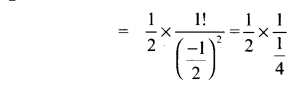
Answer:
புல்லாங்குழல்

பின்வரும் பத்திகளைப் படித்து, கேட்கப்பட்டுள்ள வினாக்களுக்கு விடையளிக்க

சாலை விபத்துகளைத் தவிர்க்கச் சாலை விதிகளை அறிந்து ஒவ்வொருவரும் வாகனங்களை ஓட்ட வேண்டும்.
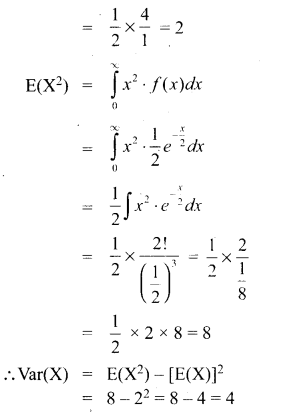
சாலையில் வாகனங்களை இடப்புறமாகவே செலுத்த வேண்டும். இருவழிச் சாலையின் மையத்தில் விட்டுவிட்டுப் போடப்பட்டுள்ள வெள்ளைக் கோடு இரு போக்குவரத்துக்காகச் சாலை சரி சமமாகப் பிரிக்கப்பட்டுள்ளதைக் குறிக்கும். வாகனங்களை முந்துவதற்குக் கோட்டுக்கு வலது பக்கம் உள்ள சாலையைப் பயன்படுத்திக் கொள்ள அனுமதி உண்டு. இருவழிச் சாலையின் மையத்தில் தொடர்ச்சியாக வெள்ளை அல்லது மஞ்சள் கோடு
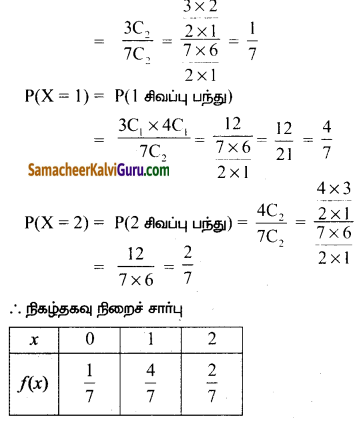
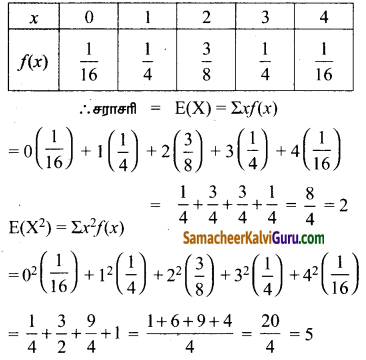
வரையப்பட்டிருந்தால் முந்துவதற்கு வலது பக்கச் சாலையைப் பயன்படுத்தக்கூடாது. இரட்டை மஞ்சள் கோடு வரையப்பட்டிருந்தால் முந்துவதற்கு எக்காரணம் கொண்டும் வலது பக்கச் சாலையைப் பயன்படுத்தக் கூடாது.

ஒருவழிப்பாதை என்று குறிப்பிடப்பட்டுள்ள சாலையில் அனுமதிக்கப்பட்டுள்ள திசையில் மட்டும் வாகனங்களைச் செலுத்த வேண்டும். தடக்கோடுகள் இடப்பட்டுள்ள சாலையில் தடத்தின் உள்ளேயே வாகனங்களைச் செலுத்த வேண்டும். வாகனத்தைப் பின்தொடரும் போது மிகவும் நெருக்கமாகப் பின்தொடரக் கூடாது. திரும்பும் போது சைகை காட்ட அடையாள விளக்கை ஒளிரச் செய்ய வேண்டும்.

வினாக்கள் :

Question 1.
சாலையின் எந்தப் பக்கமாக வாகனங்களைச் செலுத்த வேண்டும்?
Answer:
சாலையின் இடப்புறமாகவே வாகனங்களைச் செலுத்த வேண்டும்.

Question 2.
விட்டுவிட்டுப் போடப்படும் வெள்ளைக்கோடு எதனைக் குறிக்கும்?
Answer:
விட்டுவிட்டுப் போடப்படும் வெள்ளைக் கோடு இரு போக்குவரத்துக்காகச் சாலை சரிசமமாகப் பிரிக்கப்பட்டுள்ளதைக் குறிக்கும்.

Question 3.
எந்தக் கோட்டைத் தாண்டி வாகனங்களை முந்திச் செல்ல அனுமதி இல்லை?
Answer:
இரட்டை மஞ்சள் கோட்டைத் தாண்டி வாகனங்களை முந்திச் செல்ல அனுமதி இல்லை.

Question 4.
ஒருவழிப் பாதை எனப்படுவது யாது?
Answer:
ஒருவழிப் பாதை என்பது சாலையில் அனுமதிக்கப்பட்டுள்ள திசையில் மட்டுமே வாகனங்களைச் செலுத்துவது ஆகும்.

Question 5.
வாகனங்களைப் பின் தொடர்வதற்கான முறையைக் கூறு.
Answer:
வாகனங்களைப் பின்தொடரும் போது மிகவும் நெருக்கமாகப் பின் தொடரக் கூடாது.

நிற்க அதற்குத் தக

என் பொறுப்புகள் …

1. நம் நாட்டுத் தொன்மைக் கலைகளை மதிப்பேன்.
2. கலைகளில் ஒன்றையேனும் கற்றுக் கொள்வேன்.
3. கலைச் சின்னங்களைப் பாதுகாப்பேன்.
4. தமிழகச் சுற்றுலாச் சிறப்பு வாய்ந்த இடங்களுக்குச் சென்று தமிழர்தம் கலைத்திறனை அறிந்து போற்றுவேன்.

கலைச்சொல் அறிவோம்
Samacheer Kalvi 7th Tamil Solutions Term 2 Chapter 3.5 தொழிற்பெயர் - 2

Samacheer Kalvi 8th Maths Solutions Term 1 Chapter 3 Algebra Ex 3.1

Students can Download Maths Chapter 3 Algebra Ex 3.1 Questions and Answers, Notes Pdf, Samacheer Kalvi 8th Maths Book Solutions Guide Pdf helps you to revise the complete Tamilnadu State Board New Syllabus and score more marks in your examinations.

Tamilnadu Samacheer Kalvi 8th Maths Solutions Term 1 Chapter 3 Algebra Ex 3.1

8th Maths Algebra Exercise 3.1 Question 1.
Multiply a monomial by a monomial.
(i) 6x, 4
(ii) -3x, 7y
(iii) -2m2, (-5m)3
(iv) a3, – 4a2b
(v) 2p2q3, -9pq2
Solution:
(i) 6x × 4 = (6 × 4) (x) = 24x
(ii) -3x × 7y = (-3 × 7) (x × y) = -21xy
(iii) (-2m2) × (-5m)3 = -2m2 × (-)3 (53 (m)3) = -2m2 × (-125m3)
= (-) × (-)(2 × 125)(m2 × m3) = + 250m5 = 250 m
(iv) a3 × (-4a2 b) = (-4) × (a3 × a2) × (b) = -4a5b
(v) (2p2q3) × (-9pq2) = (+) × (-) × (2 × 9) (p2 × p(q3 × q2)) = -18p3q5

Maths 8th Samacheer Kalvi Question 2.
Complete the table
8th Maths Algebra Exercise 3.1 Solutions Term 1 Chapter 3 Algebra Samacheer Kalvi
Solution:
Maths 8th Samacheer Kalvi Solutions Term 1 Chapter 3 Algebra Ex 3.1

8th Standard Maths 3.1 Solution Question 3.
Find the product of the terms.
(i) -2mn, (2m)2, -3mn
(ii) 3x2y, -3xy3, x2y2
Solution:
(i) (-2mn) × (2m)2 × (-3mn) = (-2mn) × 22 m2 × (-3mn) = (-2mn) × 4m2 × (-3mn)
= (-) (+)(-) (2 × 4 × 3) (m × m2 × m) (n × n)
= + 24 m4 n2

(ii) (32y) × (-31xy3) × (x2y2) = (+) × (-) × (+) × (3 × 3 × 1) (x2 × x × x2) x (y × y3 × y2)
= -9x5y6

Samacheer Kalvi Guru 8th Maths Question 4.
If l = 4pq2, b = -3p 2q, h = 2p3q3 then, find the value of 1 × b × h.
Solution:
Given l = 4pq2
b = -3p2q
h = 2p3q3
l × b × h = (4pq2) × (-3p2 q) × (2p3q3)
= (+) (-) (+) (4 × 3 × 2) (p × p2 × p3) (q2 × q × q3)
= -24p6q6

Samacheer Kalvi.Guru 8th Maths Question 5.
Expand
(i) 5x (2y – 3)
(ii) -2p (5p2 – 3p + 7)
(iii) 3mn (m3n3 – 5m2n + 7mn2)
(iv) x2 (x + y + z) y2 (x + y + z) + z2 (x – y – z)
Solution:
(i) 5x(2y – 3) = (5x) (2y) – (5x) (3)
= (5 × 2) (x × y) – (5 × 3) x
= 10xy – 15x

(ii) -2p (5p2 – 3p + 7) = (-2p) (5p2) + (-2p) (-3p) + (-2p) (7)
= [(-) (+) (2 × 5) (p × p2)] + [(-) (+) (2 × 3) (p × q)] + (-) (+) (2 × 7) p
= -10p3 + 6p2 – 14p

(iii) 3mn(m3n3 – 5m2n + 7mn2)
= (3mn) (m3n3) + (3mn) (-5m2n) + (3mn)(7mn2)
= (3) (m × m3) (n × n3) + (+) (-) (3 × 5) (m × m2) (n × n) + (3 × 7) (m × m)(n × n2)
= 3m4n4 – 15m3 n2 + 21m2n3

(iv) x2 (x + y + z) + y2 (x + y + z) + z2 (x – y – z)
= (x2 × x) + (x2 × y) + (x2 × z) + (y2 × x) + (y2 × y) + (y2 × z) + (z2 × x) + z2 (-y) + z2 (-z)
= x3 + x2y + x2z + xy2 + y3 + y2z + xz2 – yz2 – z3
= x3 + y3 – z2 + x2y + x2z + xy2 + zy2 + xz2 – yz2

Samacheer Kalvi Guru Maths 8th Question 6.
Find the product of
(i) (2x + 3)(2x – 4)
(ii) (y2 – 4) (2y2 + 3y)
(iii) (m2 – m) (5m2n2 – n2)
(iv) 3(x – 5) × 2(x – 1)
Solution:
(2x) (2x – 4) + 3 (2x – 4) = (2x) (2x – 4) + 3 (2x – 4)
= (2x × 2x) – 4 (2x) + 3(2x) – 3 (4)
= 4x2 – 8x + 6x – 12
= 4x2 + (- 8 + 6)x – 12
= 4x2 – 2x – 12

(ii) (y2 -4) (2y2 + 3y) = y2 (2y2 + 3y) – 4 (2y2 + 37)
= y2(2y2) + y2(3y) – 4(2y2) -4 (3y)
= 2y4 + 3y3 – 8y2 – 12y

(iii) (m2 – n) (5m2n2 – n2) = m2 (5m2n2 – n2) – n (5m2n2 – n2)
= m2 (5m2n2) + m2 (-n2) – n (5m2n2) + (-) (-) n (n2)
= 5m4n2 – m2n2 – 5m2n3 + n3

(iv) 3(x – 5) × 2(x – 1) = (3 × 2) (x – 5) (x – 1)
= 6 × [x (x – 1) – 5 (x- 1)]
= 6 [x.x – x . 1 – 5.x + (-1) (-) 5 1]
= 6 [x2 – x – 5x + 5] = 6 [x2 + (-1 – 5)x + 5]
= 6 [x2 – 6x + 5] = 6x2 – 36x + 30

Samacheer Kalvi 8 Maths Question 7.
Find the missing term.
(i) 6xy – × ______ = -12x3y
(ii) ________ × (-15m2n3p) = 45m3n3p2
(iii) 2y(5x2y – ___ + 3 ___) = 10x2y2 – 2xy + 6y3
Solution:
(i) 6xy – × (-2x2) = -12x3y
(ii) -3mp × (-15m2n3p) = 45m3n3p2
(iii) 2y(5x2y – x + 3 y2) = 10x2y2 – 2xy + 6y3

Samacheer Kalvi 8th Maths Book Solutions Question 8.
Match the following
8th Standard Maths 3.1 Solution Samacheer Kalvi Term 1 Chapter 3 Algebra Ex 3.1
(A) iv, v, ii, i, iii
(B) v, iv, iii, ii, i
(C) iv, v, ii, iii, i
(D) iv, v, ii, iii, i
Solution:
(a) iv
(b) v
(c) ii
(d) iii
(e) i

Samacheer Kalvi 8 Maths Book Question 9.
A car moves at a uniform speed of (x + 30) km/hr. Find the distance covered by the car in (y + 2)hours. (Hint: distance = speed × time).
Solution:
Sppeed of the car = (x + 30) km / hr.
Time = (y + 2) hours
Distance = Speed × time = (x + 30) (y + 2) = x(y + 2) + 30 (y + 2) = x (y + 2) + 30 (y + 2)
= (x) (y) + (x) (2) + (30) (y) + (30) (2)
= xy + 2x + 30y + 60
Distance covered = (xy + 2x + 30y + 60) km

Objective Type Questions

Samacheer Kalvi Class 8 Maths Solutions Question 10.
The product of 7p3 and (2p2)2 is
(A) 14p2
(B) 28p7
(C) 9p7
(D) 11p12
Solution:
(B) 28p7

Samacheerkalvi.Guru 8th Maths Question 11.
The missing terms in the product -3m3 n × 9(- -) = ____ m4n3 are
(A) mn2, 27
(B) m2n, 27
(C) m2n2, -27
(D) mn2, -27
Solution
(A) mn2 ,27

Samacheer Kalvi Guru 8th Maths Guide Question 12.
If the area of a square is 36x4y2 then, its side is ______ .
(A) 6x4y2
(B) 8x2y2
(C) 6x2y
(D) -6x2y
Solution:
(C) 6x2y

Samacheer Kalvi 8th Maths Question 13.
If the area of a rectangle is 48m2n3 and whose length is 8mn2 then, its breadth is ____ .
(A) 6 mn
(B) 8m2n
(C) 7m2n2
(D) 6m2n2
Solution:
(A) 6mn

Maths Class 8 Samacheer Kalvi Question 14.
If the area of a rectangular land is (a2 – b2) sq.units whose breadth is (a – b) then, its length is _____
(A) a – b
(B) a + b
(C) a2 – b
(D) (a + b)2
Solution:
(B) a + b

Samacheer Kalvi 7th Tamil Solutions Term 3 Chapter 1.3 திக்கெல்லாம் புகழுறும் திருநெல்வேலி

Students can Download Tamil Chapter 1.3 திக்கெல்லாம் புகழுறும் திருநெல்வேலி Questions and Answers, Summary, Notes Pdf, Samacheer Kalvi 7th Tamil Book Solutions Guide Pdf helps you to revise the complete Tamilnadu State Board New Syllabus and score more marks in your examinations.

Tamilnadu Samacheer Kalvi 7th Tamil Solutions Term 3 Chapter 1.3 திக்கெல்லாம் புகழுறும் திருநெல்வேலி

மதிப்பீடு

சரியான விடையைத் தேர்ந்தெடுத்து எழுதுக.

Question 1.
திருநெல்வேலி …………….. மன்னர்களோடு தொடர்பு உடையது.
அ) சேர
ஆ) சோழ
இ) பாண்டிய
ஈ) பல்லவ
Answer:
இ) பாண்டிய

Question 2.
இளங்கோவடிகள் …………………….. மலைக்கு முதன்மை கொடுத்துப் பாடினார்.
அ) இமய
ஆ) கொல்லி
இ) பொதிகை
ஈ) விந்திய
Answer:
இ) பொதிகை)

Question 3.
திருநெல்வேலி ………… ஆற்றின் கரையில் அமைந்துள்ளது.
அ) காவிரி
ஆ) வைகை
இ) தென்பெண்ணை
ஈ) தாமிரபரணி
Answer:
ஈ) தாமிரபரணி

பொருத்துக
Samacheer Kalvi 7th Tamil Solutions Term 3 Chapter 1.3 திக்கெல்லாம் புகழுறும் திருநெல்வேலி - 01
Answer:

Samacheer Kalvi 7th Tamil Solutions Term 3 Chapter 1.3 திக்கெல்லாம் புகழுறும் திருநெல்வேலி - 1

குறுவினா

Question 1.
தாமிரபரணி ஆற்றின் கிளை ஆறுகள் யாவை?
Answer:
தாமிரபரணி கிளை ஆறுகள் : பச்சையாறு, மணிமுத்தாறு, சிற்றாறு, காரையாறு, சேர்வலாறு, கடனாநதி.

Question 2.
கொற்கை முத்து பற்றிக் கூறுக.
Answer:

  • கொற்கையில் விளைந்த பாண்டி நாட்டு முத்து உலகப் புகழ் பெற்றதாகும்.
  • நற்றிணை, அகநானூறு முதலான சங்க இலக்கியங்கள் கொற்கை முத்தின் சிறப்பைக் கூறுகின்றன.
  • கிரேக்க, உரோமாபுரி நாடுகளைச் சேர்ந்த யவனர்கள் முத்துக்களை விரும்பி வாங்கிச்சென்றனர்.

சிறுவினா

Question 1.
திருநெல்வேலிப் பகுதியில் நடைபெறும் உழவுத்தொழில் குறித்து எழுதுக.
Answer:
(i) திருநெல்வேலி மாவட்டப் பொருளாதாரத்தில் முதன்மையான பங்கு வகிப்பது உழவுத் தொழில். தாமிரபரணி ஆற்றின் மூலம் இங்கு உழவுத்தொழில் நடைபெறுகின்றது. இங்கு குளத்துப் பாசனமும் கிணற்றுப் பாசனமும்கூடப் பயன்பாட்டில் உள்ளன.

(ii) இரு பருவங்களில் நெல் பயிரிடப்படுகின்றது. மானாவாரிப் பயிர்களாகச் சிறுதானியங்கள், எண்ணெய்வித்துகள், காய்கனிகள், பருத்தி, பயறுவகைகள் போன்றவை பயிரிடப்படுகின்றன.

(iii) இராதாபுரம், நாங்குநேரி, அம்பாசமுத்திரம், தென்காசி போன்ற பகுதிகளில் பெருமளவில் வாழை பயிரிடப்படுகின்றது. இங்கு விளையும் வாழைத்தார்கள் -9 தமிழ்நாடு மட்டுமின்றி கர்நாடகம், கேரளம் போன்ற பிற மாநிலங்களுக்கும் அனுப்பப்படுகின்றன.

(iv) நெல்லிக்காய் உற்பத்தியில் தமிழகத்தில் நெல்லை மாவட்டமே முதலிடம் வகிக்கின்றது.

Question 2.
திருநெல்வேலிக்கும் தமிழுக்கும் உள்ள தொடர்பு குறித்து எழுதுக.
Answer:
திருநெல்வேலியும், தமிழும் :
(i) அகத்தியம் என்னும் முதல் தமிழ் இலக்கண நூலை எழுதியவர் அகத்தியர். இவர் திருநெல்வேலியிலுள்ள பொதிகை மலையில் வாழ்ந்தவர்.
(ii) சங்கப் புலவரான மாறோக்கத்து நப்பசலையார், நம்மாழ்வார், பெரியாழ்வார், குமரகுருபரர், திரிகூடராசப்பக் கவிராயர், கவிராசப் பண்டிதர் ஆகியோர் திருநெல்வேலிச் சீமையில் பிறந்து தமிழுக்குச் செழுமை சேர்ந்துள்ளனர்.
(iii) அயல்நாட்டு அறிஞர்களான ஜி.யு.போப், கால்டுவெல், வீரமாமுனிவர் போன்றோரையும் தமிழின்பால் ஈர்த்த பெருமைக்கு உரியது திருநெல்வேலி.

Question 3.
திருநெல்வேலி நகர அமைப்புப் பற்றிக் கூறுக.
Answer:
(i) பொருநை எனப்படும் தாமிரபரணி ஆற்றின் கரையில் அமைந்துள்ள நெல்லை மாநகரின் அமைப்பு சிறப்பானது.
(ii) நகரின் நடுவே நெல்லையப்பர் திருக்கோவில் அமைந்துள்ளது. கோவிலைச் சுற்றி நான்கு பக்கங்களிலும் மாட வீதிகள், அவற்றைச் சுற்றித் தேரோடும் வீதிகள், அழகுற அமைந்துள்ளன.
(iii) அரசரால் தண்டிக்கப்பட்டவர்கள் சிறை வைக்கப்பட்டதால் பெயர்பெற்ற காவற்புரைத் தெரு உள்ளது.
(iv) தானியங்களை விற்கும் வீதியான கூழைக்கடை (கூலம் – தானியம்), பொன் நாணயங்களை உருவாக்கும் பணியாளர்கள் வாழ்ந்த பகுதி அக்கசாலை, பெரு வணிகம் நடைபெற்ற இடமான பேட்டை என்னும் ஊர் உள்ளது.
(v) இத்தகு சிறப்பு மிகுந்த நகர அமைப்புகளைக் கொண்டு காலத்தால் புகழ்பெற்று நிற்கிறது திருநெல்வேலி நகரம்.

சிந்தனை வினா

மக்கள் மகிழ்ச்சியாக வாழ ஒரு நகரம் எவ்வாறு இருக்க வேண்டும் என்று நினைக்கிறீர்கள்?
Answer:
மக்கள் மகிழ்ச்சியாக வாழ ஒரு நகரம் :
(i) மக்கள் ஆண்டு முழுவதும் தண்ணீர் பஞ்சம் இன்றி வாழ உதவும் நீர்நிலைகளைப் பாதுகாக்க வேண்டும்.
(ii) மழைநீர் வீணாகக் கடலில் சென்று கலக்காமல் ஆங்காங்கு குளங்கள் இருக்க வேண்டும்.
(iii) அனைத்து வீடுகளிலும் மழைநீர் சேகரிப்புத் தொட்டி அமைத்திருக்க வேண்டும்.
(iv) மாணவர்கள் பள்ளிக்கு நீண்ட தூரம் செல்லாமல் மக்கள் தொகைக்கு ஏற்ப பள்ளிகள் மற்றும் கல்லூரிகள் இருக்க வேண்டும்.
(V) கோவில்கள் மற்றும் நூலகம் இருக்க வேண்டும்.
(vi) ஆங்காங்கு பூங்காக்கள் அமைத்து மரம் செடிகளை வளர்க்க வேண்டும். குழந்தைகள் விளையாடுவதற்கும், குழந்தைகள் முதல் பெரியவர்கள் வரை உடற்பயிற்சிக்கும் நடைப் பயிற்சிக்கும் உதவும்படி அமைக்க வேண்டும்.
(viii) சிறந்த போக்குவரத்து வசதிக்குச் சாலைகள் நன்கு அமைக்க வேண்டும்.
(ix) சிறந்த மருத்துவனைகள் இருக்க வேண்டும்.
(x) சாலையோரங்களில் மரங்கள் வளர்க்க வேண்டும்.
(xi) பலவகையான வணிகம் நடைபெற வேண்டும்.
(xii) மேற்கூறிய அனைத்தும் மக்களை மகிழ்ச்சியாக வாழ வைக்கும்.

கற்பவை கற்றபின்

Question 1.
உங்களுடைய மாவட்டத்தில் உள்ள சுற்றுலா இடங்கள் பற்றிய செய்திகளைத் தேடித் தொகுக்க.
Answer:
எனது மாவட்டத்தில் உள்ள சுற்றுலா இடங்கள் :
என்னுடைய மாவட்டம் சென்னை . இது நம் மாநிலத்தின் தலைநகரம் ஆகும். இங்கு பார்க்க வேண்டிய இடங்கள் பல உள்ளன. இங்குள்ள மெரினா கடற்கரை, உலகிலேயே மிக நீண்ட கடற்கரைகளில் இரண்டாவது இடத்தைப் பெறுகிறது. சென்னை வாசிகள் ஆசையோடு பொழுதுபோக்கி மகிழும் அருமையான திறந்த வெளி இடமாகும்.

ஆங்கிலக் கிழக்கிந்தியக் கம்பெனியரால் கட்டப்பட்டது புனித ஜார்ஜ் கோட்டை. இதன் வெளிப்புறத்தில் அகழி , அதனை சுற்றி மதில் சுவர்கள் உள்ளன. கோட்டையின் முன்பு மிகவும் உயரமான கொடிக்கம்பமும் உள்ளது.
அண்ணா அருங்காட்சியகம், பாரத ரத்னா டாக்டர் எம்.ஜி.ஆர். நினைவிடம் ஆகியவை மெரினா கடற்கரையில் அமைக்கப்பட்டுள்ளன. முதல் உலகப் போரில் தனது நாட்டிற்காக இன்னுயிரை ஈந்த வீரர்களுக்கு மரியாதை செலுத்தும் விதமாக போர் நினைவுச் சின்னம் கடற்கரைச் சாலையில் அமைக்கப்பட்டுள்ளது. இங்கு ஆண்டு தோறும் இராணுவ தினத்தின் போது மலர்வளையம் வைத்து அஞ்சலி செலுத்தப்படுகிறது.

எழும்பூரில் உள்ள அருங்காட்சியகம், இந்தியாவிலுள்ள பழமையான அருங்காட்சியகங்களில் இரண்டாவது இடத்தை வகிப்பது. இது 1851ல் நிறுவப்பட்டது. இது தேசிய மரபுச் செல்வங்களை காக்கும் கலைக் களஞ்சியமாக அமைந்துள்ளது.
வள்ளுவர் கோட்டம், தமிழ் மறையாம் திருக்குறளை உலகுக்கு அளித்த திருவள்ளுவரின் நினைவாக கட்டப்பட்ட கலைச் சின்னமாகும்.

சென்னை கிண்டியில் காந்தியடிகள், இராஜாஜி, காமராசர் நினைவாலயங்கள் உள்ளன. ஆசிய விளையாட்டு அரங்குகளின் அரசி’ எனப் போற்றப்படும் ஜவகர்லால் நேரு விளையாட்டு அரங்கம் உள்ளது.
அறிஞர் அண்ணா உயிரியல் பூங்கா வண்டலூரில் உள்ளது. வானவியல் பற்றிய த்துகளை நுண்ணிய ஒளி, ஒலி சாதனங்களைக் கொண்டு மக்களுக்குக் குறிப்பாக மாணவர்களுக்கு எளிய முறையில் கற்பிக்கும் இடமான கோளரங்கம், கோட்டூர்புரத்தில் உள்ளது.

காளிகாம்பாள் கோவில், கந்த கோட்டம், திருவல்லிக்கேணி பார்த்தசாரதி கோவில், மயிலாப்பூரில் உள்ள கபாலீஸ்வரர் கோவில், வடபழனியில் உள்ள முருகர் கோவில், திருவேற்காடு கருமாரியம்மன் கோவில், ஸ்ரீ மஹா ப்ரத்யங்கரா தேவி ஆலயம், கோயம்பேடு குறுங்காலீசுரவர் கோவில் என பல ஆன்மிகத்தலங்கள் நிறைந்தது எங்கள் சென்னை மாவட்டம்.

Question 2.
தமிழ்நாட்டில் உள்ள மாநகராட்சிகள் பற்றிய செய்திகளைத் தொகுக்க.
Answer:
தமிழ்நாட்டில் மொத்தம் 15 மாநகராட்சிகள் உள்ளன. அவைகளைப் பற்றிய செய்திகளை காண்போம்.

(i) சென்னை மாநகராட்சி
நகரம் உருவாக்கப்பட்ட நாள் : 29 செப்டம்பர் 1688
மாநகராட்சியாக மேம்படுத்தப்பட்ட நாள் : 29 செப்டம்பர் 1688
நிர்வாக மண்டலங்கள் : 15
நிர்வாக மண்டலங்களின் பெயர்கள் : திருவொற்றியூர், மணலி , மாதவரம், தண்டையார்பேட்டை, ராயபுரம், திரு.வி.க.நகர், அம்பத்தூர், அண்ணா நகர், தேனாம்பேட்டை, கோடம்பாக்கம், வளசரவாக்கம், ஆலந்தூர், அடையார், பெருங்குடி, சோளிங்கநல்லூர்.
வார்டுகளின் எண்ணிக்கை : 200
மக்கள் தொகை (2011 கணக்கெடுப்பின் படி) :86,96,010

(ii) கோயம்புத்தூர் மாநகராட்சி :
நகரம் உருவாக்கப்பட்ட நாள் : 1 நவம்பர் 1866
மாநகராட்சியாக மேம்படுத்தப்பட்ட ஆண்டு : 1981
நிர்வாக மண்டலங்கள் : 5
நிர்வாக மண்டலங்களின் பெயர்கள் : வடக்கு, கிழக்கு, தெற்கு, மேற்கு, மற்றும் மத்திய மண்டலம்.
வார்டுகளின் எண்ணிக்கை : 148
மக்கள் தொகை (2011 கணக்கெடுப்பின் படி) : 42,24,106

(iii) மதுரை மாநகராட்சி :
நகரம் உருவாக்கப்பட்ட நாள் : 1 நவம்பர் 1866
மாநகராட்சியாக மேம்படுத்தப்பட்ட ஆண்டு : 1971
நிர்வாக மண்டலங்கள் :4
நிர்வாக மண்டலங்களின் பெயர்கள் : வடக்கு, கிழக்கு, தெற்கு, மேற்கு.
வார்டுகளின் எண்ணிக்கை : 100
மக்கள் தொகை (2011 கணக்கெடுப்பின் படி) : 14,62,420

(iv) திருச்சிராப்பள்ளி மாநகராட்சி :
நகரம் உருவாக்கப்பட்ட நாள் : 1நவம்பர் 1866
மாநகராட்சியாக மேம்படுத்தப்பட்ட ஆண்டு : 1994
நிர்வாக மண்டலங்கள் : 4
நிர்வாக மண்டலங்களின் பெயர்கள் : ஸ்ரீரங்கம், அரியமங்கலம், பொன்மலை , K. அபிஷேகபுரம்
வார்டுகளின் எண்ணிக்கை : 65
மக்கள் தொகை (2011 கணக்கெடுப்பின் படி) : 10,21,717

(v) சேலம் மாநகராட்சி :
நகரம் உருவாக்கப்பட்ட நாள் : 1 நவம்பர் 1866
மாநகராட்சியாக மேம்படுத்தப்பட்ட ஆண்டு : 1994
நிர்வாக மண்டலங்கள் : 4
நிர்வாக மண்டலங்களின் பெயர்கள் : சூரமங்கலம், ஹஸ்தம்பட்டி, அம்மாபேட்டை, கொண்டலாம்பட்டி
வார்டுகளின் எண்ணிக்கை : 60
மக்கள் தொகை (2011 கணக்கெடுப்பின் படி) : 10,13,388

(vi) திருநெல்வேலி மாநகராட்சி :
நகரம் உருவாக்கப்பட்ட நாள் : 1நவம்பர் 1866
மாநகராட்சியாக மேம்படுத்தப்பட்ட ஆண்டு : 1994
நிர்வாக மண்டலங்கள் : 4
நிர்வாக மண்டலங்களின் பெயர்கள் : தச்சநல்லூர், பாளையம் கோட்டை, மேலப்பாளையம், திருநெல்வேலி
வார்டுகளின் எண்ணிக்கை : 55
மக்கள் தொகை (2011 கணக்கெடுப்பின் படி) : 4,74,838

(vii) திருப்பூர் மாநகராட்சி :
நகரம் உருவாக்கப்பட்ட நாள் : 1 டிசம்பர் 1947(பஞ்சாயத்து யூனியனாக)
மாநகராட்சியாக மேம்படுத்தப்பட்ட ஆண்டு : 2008
நிர்வாக மண்டலங்கள் : 4
நிர்வாக மண்டலங்களின் பெயர்கள் : வடக்கு, கிழக்கு, தெற்கு, மேற்கு.
வார்டுகளின் எண்ணிக்கை : 60
மக்கள் தொகை (2011 கணக்கெடுப்பின் படி) : 4,66,998

(viii) ஈரோடு மாநகராட்சி :
நகரம் உருவாக்கப்பட்ட ஆண்டு : 1871
மாநகராட்சியாக மேம்படுத்தப்பட்ட ஆண்டு : 2008
நிர்வாக மண்டலங்கள் : 4
நிர்வாக மண்டலங்களின் பெயர்கள் : சூரம்பட்டி, காசிபாளையம், வீரப்பன்சத்திரம், பெரிய சேமூர்.
வார்டுகளின் எண்ணிக்கை : 60
மக்கள் தொகை (2011 கணக்கெடுப்பின் படி) : 4,44,782

(ix) வேலூர் மாநகராட்சி :
நகரம் உருவாக்கப்பட்ட நாள் : 1 நவம்பர் 1866
மாநகராட்சியாக மேம்படுத்தப்பட்ட நாள் :1 ஆகஸ்ட் 2008
நிர்வாக மண்டலங்கள் : 4
நிர்வாக மண்டலங்களின் பெயர்கள் : காட்பாடி, வேலூர் கோட்டை, சத்துவாச்சாரி, செண்பகம்.
வார்டுகளின் எண்ணிக்கை : 60
மக்கள் தொகை (2011 கணக்கெடுப்பின் படி) : 4,21,327

(x) தூத்துக்குடி மாநகராட்சி :
நகரம் உருவாக்கப்பட்ட நாள் : 1நவம்பர் 1866
மாநகராட்சியாக மேம்படுத்தப்பட்ட நாள் : 5 ஆகஸ்ட் 2008
நிர்வாக மண்டலங்கள் : 4
நிர்வாக மண்டலங்களின் பெயர்கள் : வடக்கு, கிழக்கு, தெற்கு, மேற்கு.
வார்டுகளின் எண்ணிக்கை : 60
மக்கள் தொகை (2011 கணக்கெடுப்பின் படி) : 3,56,094

(xi) தஞ்சாவூர் மாநகராட்சி :
நகரம் உருவாக்கப்பட்ட நாள் : 1 நவம்பர் 1866
மாநகராட்சியாக மேம்படுத்தப்பட்ட ஆண்டு : 2014
நிர்வாக மண்டலங்கள் : 4
நிர்வாக மண்டலங்களின் பெயர்கள் : வடக்கு, கிழக்கு, தெற்கு, மேற்கு.
வார்டுகளின் எண்ணிக்கை : 62
மக்கள் தொகை (2011 கணக்கெடுப்பின் படி) : 2,22,943

(xii) திண்டுக்கல் மாநகராட்சி :
நகரம் உருவாக்கப்பட்ட நாள் : 1 நவம்பர் 1866
மாநகராட்சியாக மேம்படுத்தப்பட்ட ஆண்டு : 2014
நிர்வாக மண்டலங்கள் : 4
நிர்வாக மண்டலங்களின் பெயர்கள் : வடக்கு, கிழக்கு, தெற்கு, மேற்கு.
வார்டுகளின் எண்ணிக்கை :51
மக்கள் தொகை (2011 கணக்கெடுப்பின் படி) : 2,07,225

(xiii) நாகர்கோவில் மாநகராட்சி :
நகரம் உருவாக்கப்பட்ட நாள் : 1நவம்பர் 1866
மாநகராட்சியாக மேம்படுத்தப்பட்ட ஆண்டு : 2019
நிர்வாக மண்டலங்கள் : 4
நிர்வாக மண்டலங்களின் பெயர்கள் : வடக்கு, கிழக்கு, தெற்கு, மேற்கு.
வார்டுகளின் எண்ணிக்கை : 51
மக்கள் தொகை (2011 கணக்கெடுப்பின் படி) : 2,24,849

(xiv) ஓசூர் மாநகராட்சி :
நகரம் உருவாக்கப்பட்ட நாள் : 1நவம்பர் 1866
மாநகராட்சியாக மேம்படுத்தப்பட்ட ஆண்டு : 2019
நிர்வாக மண்டலங்கள் :4
நிர்வாக மண்டலங்களின் பெயர்கள் : வடக்கு, கிழக்கு, தெற்கு, மேற்கு.
வார்டுகளின் எண்ணிக்கை :51
மக்கள் தொகை (2011 கணக்கெடுப்பின் படி) : 1,16,821

(xv) ஆவடி மாநகராட்சி :
நகரம் உருவாக்கப்பட்ட நாள்
: 10 ஜனவரி 1955
மாநகராட்சியாக மேம்படுத்தப்பட்ட ஆண்டு : 2019
நிர்வாக மண்டலங்கள் : 4
நிர்வாக மண்டலங்களின் பெயர்கள் : வடக்கு, கிழக்கு, தெற்கு, மேற்கு.
வார்டுகளின் எண்ணிக்கை : 80
மக்கள் தொகை (2011 கணக்கெடுப்பின் படி) : 3,44,701

தெரிந்து தெளிவோம்

(i) முற்காலத்தில் திருநெல்வேலிக்கு வேணுவனம் என்னும் பெயரும் இருந்துள்ளது. மூங்கில் காடு என்பது அதன் பொருளாகும். மூங்கில் நெல் மிகுதியாக விளைந்தமையால் அப்பகுதிக்கு நெல்வேலி என்னும் பெயர் ஏற்பட்டிருக்கலாம் எனவும் கருதுவர்.

(ii) திருநெல்வேலிக்கு அருகிலுள்ள ஆதிச்சநல்லூர் என்னும் இடத்தில் நிகழ்த்தப்பட்ட அகழ்வாய்வில் இறந்தவர்களின் உடல்களைப் புதைக்கப் பழந்தமிழர்கள் பயன்படுத்திய முதுமக்கள் தாழிகள் கண்டெடுக்கப்பட்டுள்ளன. மேலும் தமிழரின் தொன்மைக்கும் நாகரிகச் சிறப்புக்கும் சான்றாக விளங்கும் தொல்பொருள்கள் இங்குக் கிடைத்துள்ளன. இவ்வூர் தற்போது தூத்துக்குடி மாவட்டத்தில் உள்ளது.

(iii) தாமிரபரணி ஆற்றின் மேற்குக் கரையில் திருநெல்வேலியும் கிழக்குக் கரையில்
பாளையங்கோட்டையும் அமைந்துள்ளன. இவ்விரு நகரங்களும் இரட்டை நகரங்கள் என அழைக்கப்படுகின்றன. பாளையங்கோட்டையில் அதிக அளவில் கல்வி நிலையங்கள் இருப்பதால் அந்நகரைத் தென்னிந்தியாவின் ஆக்ஸ்போர்டு என்பர்.

கூடுதல் வினாக்கள்

நிரப்புக.

1. பழந்தமிழகத்தை ஆண்ட மன்னர்கள் சேரர், சோழர், பாண்டியர்.
2. பாண்டியர்களின் தலைநகர் மதுரை.
3. பாண்டியர்களது இரண்டாவது தலைநகரமாக விளங்கிய நகரம் திருநெல்வேலி.
4. திருநெல்வேலிப் பகுதியை வளம் செழிக்கச் செய்யும் ஆறு தாமிரபரணி ஆகும்.
5. ‘திக்கெல்லாம் புகழுறும் திருநெல்வேலி’ எனப் பாடியவர் திருஞானசம்பந்தர்.
6. ‘தண்பொருநைப் புனல் நாடு’ என்று பாடியவர் சேக்கிழார்.
7. வேணுவனம் என்பதன் பொருள் மூங்கில் காடு.
8. தமிழகத்தில் நெல்லிக்காய் உற்பத்தியில் முதலிடம் வகிக்கும் மாவட்டம் திருநெல்வேலி.
9. தாமிரபரணி கடலோடு கலக்கும் இடத்தில் உள்ள துறைமுகம் கொற்கை.
10. முத்துப்படு பரப்பிற் கொற்கை முன்றுறை’ என்று பாடும் நூல் நற்றிணை
11. ‘கொற்கையில் பெருந்துறை முத்து எனப் பாடும் நூல் அகநானூறு.
12. காவற்புரை என்றால் சிறைச்சாலை.
13. தானியங்கள் விற்கப்படும் தெரு கூலக்கடைத் தெரு.
14. வணிகம் நடைபெறும் பகுதி பேட்டை என்று வழங்கப்பட்டது.
15. இரட்டை நகரங்கள் என்பவை திருநெல்வேலியும், பாளையங்கோட்டையும் ஆகும்.
16. தென்னிந்தியாவின் ஆஃஸ்போர்டு பாளையங்கோட்டை.
17. பாண்டிய மன்னன் நின்றசீர் நெடுமாறனை நெல்லை நகர மக்கள் எதிர்கொண்டு வரவேற்ற இடம் பாண்டியபுரம் என்று வழங்கப்படுகின்றன.
18. பாண்டிய மன்னனின் தேவியாகிய மங்கையர்க்கரசியை மகளிர் எதிர்கொண்டு வரவேற்ற இடம் திருமங்கை நகர் என்று வழங்கப்படுகின்றன.
19. தாமிரபரணி ஆற்றின் வேறு பெயர் தண்பொருநை .
20. திருநெல்வேலிக்கு அருகில் அகழ்வாய்வு நிகழ்த்தப்பட்ட இடம் ஆதிச்ச நல்லூர்.
21. இறந்தவர்களின் உடல்களைப் புதைக்கப் பழந்தமிழர்கள் பயன்படுத்தியவை முதுமக்கள் தாழிகள்.

விடையளி :

Question 1.
திருநெல்வேலி பற்றிக் குறிப்பு எழுதுக.
Answer:
(i) திருநெல்வேலி தமிழகத்தின் பழமையான நகரங்களுள் ஒன்று.
(ii) பழந்தமிழகத்தைச் சேர, சோழ, பாண்டியர் என்னும் மூவேந்தர் ஆண்டு வந்தனர்.
(iii) அவர்களுள் பாண்டியர்களின் தலைநகரமாக விளங்கியது மதுரை.
(iv) அவர்களது இரண்டாவது தலைநகரமாகத் திருநெல்வேலி விளங்கியது.

Question 2.
திருநெல்வேலியைப் பற்றி திருஞானசம்பந்தர் பாடியவற்றை எழுதுக.
Answer:
(i) ‘திக்கெல்லாம் புகழுறும் திருநெல்வேலி ‘ ‘எனத் திருநெல்வேலியின் சிறப்பைப் போற்றியுள்ளார்.
(ii) திருநெல்வேலியில் திங்கள் தோறும் திருவிழா நடைபெறும் என்பதை,
“திங்கள் நாள் விழா மல்கு திருநெல் வேலியுறை செல்வர் தாமே” என்று பாடியுள்ளார்.

Question 3.
குற்றாலமலையின் வளத்தைப் பாடியவர் யார்? என்னவென்று பாடியுள்ளார்?
Answer:
(i) குற்றால மலையின் வளத்தைப் பாடியவர் திரிகூட இராசப்பக் கவிராயர்.
(ii) “வானரங்கள் கனிகொடுத்து மந்தியொடு கொஞ்சும் மந்திசிந்து கனிகளுக்கு வான்கவிகள் கெஞ்சும்” என்று பாடியுள்ளார்.

Question 4.
திருநெல்வேலி மாவட்டத்தில் கோட்டைகள் பல இருந்தமைக்குச் சான்றாக விளங்கிய ஊர்கள் யாவை?
Answer:
(i) பாளையங்கோட்டை
(ii) உக்கிரன்கோட்டை
(iii) செங்கோட்டை.

Question 5.
பண்டைய வரலாற்றை நினைவூட்டும் திருநெல்வேலி மாவட்ட ஊர்கள் யாவை?
Answer:
(i) சேரன்மாதேவி
(ii) கங்கைகொண்டான்
(iii) திருமலையப்புரம்
{iv) வீரபாண்டியப் பட்டினம்
(V) குலசேகரன்பட்டினம்.

Samacheer Kalvi 10th Maths Solutions Chapter 4 Geometry Ex 4.3

You can Download Samacheer Kalvi 10th Maths Book Solutions Guide Pdf, Tamilnadu State Board help you to revise the complete Syllabus and score more marks in your examinations.

Tamilnadu Samacheer Kalvi 10th Maths Solutions Chapter 4 Geometry Ex 4.3

10th Maths Exercise 4.3 Samacheer Kalvi Question 1.
A man goes 18 m due east and then 24 m due north. Find the distance of his current position from the starting point?
Solution:
Using Pythagoras theorem
10th Maths Exercise 4.3 Samacheer Kalvi Solutions Chapter 4 Geometry
AC2 = AB2 + BC2
= (18)2 + (24)2
= 324 + 576
= 900
AC = \(\sqrt{900}\) = 30 m
∴ The distance from the starting point is 30 m.

Ex 4.3 Class 10 Samacheer Question 2.
There are two paths that one can choose to go from Sarah’s house to James house. One way is to take C street, and the other way requires to take A street and then B street. How much shorter is the direct path along C street? (Using figure).
Ex 4.3 Class 10 Samacheer Kalvi Maths Solutions Chapter 4 Geometry
Solution:
By using Pythagoras theorem
AC2 = AB2 + BC2
= 22 + (1.5)2
= 4 + 2.25
= 6.25
AC = 2.5 miles.
If one chooses C street the distance from James house to Sarah’s house is 2.5 miles
If one chooses A street and B street he has to go 2 + 1.5 = 3.5 miles.
2.5 < 3.5, 3.5 – 2.5 = 1 Through C street is shorter by 1.0 miles.
∴ The direct path along C street is shorter by 1 mile.

10th Maths Exercise 4.3 Question 3.
To get from point A to point B you must avoid walking through a pond. You must walk 34 m south and 41 m east. To the nearest meter, how many meters would be saved if it were possible to make a way through the pond?
Solution:
By using Pythagoras
10th Maths Exercise 4.3 Samacheer Kalvi Solutions Chapter 4 Geometry
AC2 = AB2 + BC2
= 342 + 412
= 1156+ 1681
= 2837
AC = 53.26 m
Through B one must walk 34 + 41 = 75 m walking through a pond one must comes only 53.2 m
∴ The difference is (75 – 53.26) m = 21.74 m
∴ To the nearest, one can save 21.74 m.

Ex 4.3 Class 10 Question 4.
In the rectangle WXYZ, XY + YZ = 17 cm, and XZ + YW = 26 cm. Calculate the length and breadth of the rectangle?
Ex 4.3 Class 10 Samacheer Kalvi Maths Solutions Chapter 4 Geometry
Solution:
XY + YZ = 17 cm …………. (1)
XZ + YW = 26 cm ………… (2)
(2) ⇒ XZ = 13, YW = 13
(∵ In rectangle diagonals are equal).
(1) ⇒ XY = 5, YZ = 12 XY + YZ = 17
⇒ Using Pythagoras theorem
52 + 122 = 25 + 144 = 169 = 132
∴ In ∆XYZ = 132 = 52 + 122 it is verified
∴ The length is 12 cm and the breadth is 5 cm.

Class 10th Maths Samacheer Kalvi Solution Question 5.
The hypotenuse of a right triangle is 6 m more than twice of the shortest side. If the third side is 2 m less than the hypotenuse, find the sides of the triangle?
Solution:
Let a is the shortest side.
c is the hypotenuse
b is the third side.
Class 10th Maths Samacheer Kalvi Solution Chapter 4 Geometry Ex 4.3
∴ The sides of the triangle are 10m, 24m, 26m.
Verification 262 = 102 + 242
676 = 100 + 576 = 676

Exercise 4.3 Class 10 Question 6.
5 m long ladder is placed leaning towards a vertical wall such that it reaches the wall at a point 4m high. If the foot of the ladder is moved 1.6 m towards the wall, then find the distance by which the top of the ladder would slide upwards on the wall.
Solution:
Let the distance by which top of the slide moves upwards be assumed as ‘x’.
Exercise 4.3 Class 10 Samacheer Kalvi Maths Solutions Chapter 4 Geometry
From the diagram, DB = AB – AD
= 3 – 1.6 ⇒ DB = 1.4 m
also BE = BC + CE
= 4 + x
∴ DBE is a right angled triangle
DB2 + BE2 = DE2 ⇒ (1.4)2 + (4 + x)2= 52
⇒ (4 + x)2 = 25 – 1.96 ⇒ (4 + x)2 = 23.04
⇒ 4 + x = \(\sqrt{23.04}\) = 4.8
⇒ x = 4.8 – 4 ⇒ x = 0.8 m

Ex 4.3 Class 10 Maths Question 7.
The perpendicular PS on the base QR of ∆PQR intersects QR at S, such that QS = 3 SR. Prove that 2PQ2 = 2PR2 + QR2.
Solution:
Ex 4.3 Class 10 Maths Solutions Chapter 4 Geometry Samacheer Kalvi
In ∆PQS,
PQ2 = PS2 + QS2 ………… (1)
In ∆PSR,
PR2 = PS2 + SR2 ……….. (2)
(1) – (2) ⇒ PQ2 – PR2 = QS2 – SR2 …………. (3)
Class 10 Maths Ex 4.3 Samacheer Kalvi Solutions Chapter 4 Geometry
Hence it proved.

Class 10 Maths Ex 4.3 Question 8.
In the adjacent figure, ABC is a right-angled triangle with right angle at B and points D, E trisect BC. Prove that 8AE2 = 3AC2 + 5AD2.
Class 10 Maths Chapter 4 Samacheer Kalvi Geometry Ex 4.3
Solution:
Since D and E are the points of trisection of BC,
therefore BD = DE = CE
Let BD = DE = CE = x
Then BE = 2x and BC = 3x
In right triangles ABD, ABE and ABC, (using Pythagoras theorem)
We have AD2 = AB2 + BD2
⇒ AD2 = AB2 + x2 ……………. (1)
AE2 = AB2 + BE2
⇒ AB2 + (2x)2
⇒ AE2 = AB2 + 4x2 ………… (2)
and AC2 = AB2 + BC2 = AB2 + (3x)2
AC2 = AB2 + 9x2
Now 8 AE2 – 3 AC2 – 5 AD2 = 8 (AB2 + 4x2) – 3 (AB2 + 9x2) – 5 (AB2 + x2)
= 8AB2 + 32x2 – 3AB2 – 27x2 – 5AB2 – 5x2
= 0
∴ 8 AE2 – 3 AC2 – 5 AD2 = 0
8 AE2 = 3 AC2 + 5 AD2.
Hence it is proved.

Samacheer Kalvi 11th Bio Botany Solutions Chapter 2 Plant Kingdom

Students who are in search of 11th Bio Botany exam can download this Tamilnadu State Board Solutions for 11th Bio Botany Chapter 2 Plant Kingdom from here for free of cost. These cover all Chapter 2 Plant Kingdom Questions and Answers, PDF, Notes, Summary. Download the Samacheer Kalvi 11th Biology Book Solutions Questions and Answers by accessing the links provided here and ace up your preparation.

Tamilnadu Samacheer Kalvi 11th Bio Botany Solutions Chapter 2 Plant Kingdom

Kickstart your preparation by using this Tamilnadu State Board Solutions for 11th Bio Botany Chapter 2 Plant Kingdom Questions and Answers get the max score in the exams. You can cover all the topics of Chapter 2 Plant Kingdom Questions and Answers easily after studying the Tamilnadu State Board 11th Bio Botany Textbook solutions pdf.

Samacheer Kalvi 11th Bio Botany Plant Kingdom Text Book Back Questions and Answers

Choose the correct answer
11th Botany Samacheer Kalvi Question 1.
Which of the plant group has gametophyte as a dominant phase?
(a) Pteridophytes
(b) Bryophytes
(c) Gymnosperm
(d) Angiosperm
Answer:
(b) Bryophytes

Samacheer Kalvi 11th Botany Book Question 2.
Which of following represent gametophytic generation in pteridophytes?
(a) Prothallus
(b) Thallus
(c) Cone
(d) Rhizophore
Answer:
(a) Prothallus

Samacheer Kalvi Guru 11th Botany Question 3.
The haploid number of chromosome for an Angiosperm is 14, the number of chromosome in its endosperm would be …………… .
(a) 7
(b) 14
(c) 42
(d) 28
Answer:
(c) 42

Samacheer Kalvi 11th Botany Question 4.
Endosperm in Gymnosperm is formed …………… .
(a) at the time of fertilization
(b) before fertilization
(c) after fertilization
(d) along with the development of embryo
Answer:
(b) before fertilization

Question 5.
Differentiate halpontic and diplontic life cycle.
Answer:
Halpontic cycle:

  • Gametophyte is dominant
  • Sporophyte is represented by zygote

Diplontic cycle:

  • Sporophyte is dominant
  • Gametophyte is represented by few cell gametophyte

Question 6.
What is Plectostele? Give example.
Answer:
Plectostele: Xylem plates alternates with phloem plates. Example: Lycopodiurn clavatum.

Question 7.
What do you infer from the term Pycnoxylic?
Answer:
Pycnoxylic wood is compact with narrow medullary ray. Example: Pinus

Question 8.
Mention two characters shared by Gymnosperms and Angiosperms.
Answer:
Gymnosperms:

  • Vessels are absent (except Gnetales)
  • Phloem lacks companion cells

Angiosperms:

  • Vessels are present
  • Companion cells are present

Question 9.
Do you think shape of chloroplast is unique for algae? Justify your answer.
Answer:
Variation among the shape of the chloroplast is found in members of algae. It is Cup shaped (chlamydomonas). Discoid ((Chara), Girdle shaped (Ulothrix), reticulate (Oedogonium), spiral (Spirogyra), stellate (Zygnema) and plate like (Mougeoutia).

Question 10.
Do you agree with the statement ‘Bryophytes need water for fertilization’? Justify your answer.
Answer:
Yes, in Bryophytes. water plays a vital role in fertilisation, since water film is needed for the transfer of spermatium (male sex cell) to the egg cell.

Entrance Examination Questions Solved

Question 1.
Which of the following are found in extreme saline conditions? (NEET – 2017)
(a) Archaebacteria
(b) Eubacteria
(c) Cyanobacteria
(d) Mycobacteria
Answer:
(a) Archaebacteria

Question 2.
Select the mismatch …………… . (NEET – 2017)
11th Botany Samacheer Kalvi Solutions Chapter 2 Plant Kingdom
Answer:
(b) Rhodospirillum – Mycorrhiza

Question 3.
Which among the following are the smallest living cells, known without a definite cell wall, pathogenic to plants as well as animals and can survive without oxygen? (NEET – 2017)
(a) Bacillus
(b) Pseudomonas
(c) Mycoplasma
(d) Nostoc
Answer:
(c) Mycoplasma

Question 4.
Read the following statements (A to E) and select the option with all correct statements: (AIPMT – 2015).
A. Mosses and Lichens are the first organisms to colonise a bare rock.
B. Selaginella is a homosporous pteridophyte,
C. Coralloid roots in Cycas have VAM.
D. Main plant body in bryophytes is gametophytic, whereas in pteridophytes it is sporophytic.
E. In gymnosperms, male and female gametophytes arc present within sporangia located on sporophyte.

(a) B, C and E
(b) A, C and D
(c) B, C and D
(d) A, D and E
Answer:
(d) A, D and E

Question 5.
An example of colonial algae is …………… . (NEET – 2017)
(a) Chlorella
(b) Volvox
(c) Ulothrix
(d) Spirogyra
Answer:
(b) Volvox

Question 6.
Five kingdom system of classification suggested by RH. Whittaker is not based on …………… . (AIPMT- 2014)
(a) Presence or absence of a well defined nucleus
(b) Mode of reproduction
(c) Mode of nutrition
(d) Complexity of body organisation
Answer:
(a) Presence or absence of a well defined nucleus

Question 7.
Mycorrhizae are the example of …………… . (NEET – 2017)
(a) Fungitasis
(b) Amensalism
(c) Antibiosis
(d) Mutualism
Answer:
(d) Mutualism

Question 8.
Which of the following shows coiled RNA strand and capsomeres? (AIPMT – 2014)
(a) Polio virus
(b) Tobacco mosaic virus
(c) Measles virus
(d) Retrovirus
Answer:
(b) Tobacco mosaic virus

Question 9.
Viroids differ from viruses in having: (NEET – 2017)
(a) DNA molecules with protein coat
(b) DNA molecules without protein coat
(c) RNA molecules with protein coat
(d) RNA molecules without protein coat
Answer:
(d) RNA molecules without protein coat

Question 10.
Select the mismatch: (NEET – 2017)
(a) Pinus – Dioecious
(b) Cycas – Dioecious
(c) Salvinia – Heterosporous
(d) Equisetum – Homosporous
Answer:
(a) Pinus – Dioecious

Question 11.
Life cycle of Ectocarpus and Fucus respectively are …………… . (NEET – 2017)
(a) Haplontic, Diplontic
(b) Diplontic, Haplodiplontic
(c) Haplodiplontic, Diplontic
(d) Haplodiplontic, Halplontic
Answer:
(c) Haplodiplontic, Diplontic

Question 12.
Zygote meiosis Is characterisitic of …………… . (NEET – 2017)
(a) Marchantia
(b) Fucus
(c) Funaria
(d) Chlamydomonas
Answer:
(d) Chlamydomonas

Question 13.
Which of the following is correctly matched for the product produced by them? (NEET – 2017)
(a) Acetobacter aceti : Antibiotics
(b) Merthanobacterium : Lactic acid
(c) Penicillium natatum : Acetic acid
(d) Saccharomyces cerevisiae : Ethanol
Answer:
(d) Saccharomyces cerevisiae : Ethanol

Question 14.
Which of the following components provides sticky character to the bacterial cell? (NEET – 2017)
(a) Cell wall
(b) Nuclear membrane
(e) Plasma membrane
(d) Glycocalyx
Answer:
(d) Glycocalyx

Question 15.
Which of the following statements is wrong for viroids? (NEET – 2016)
(a) They lack a protein coat
(b) They are smaller than viruses
(c) They causes infections
(d) Their RNA is a high molecular weight
Answer:
(d) Their RNA Is a high molecular weight

Question 16.
In bryophytes and pteridophytes, transport of male gametes require …………… . (NEET – 20L6)
(a) Wind
(b) Insects
(c) Birds
(d) Water
Answer:
(d) Water

Question 17.
How many organisms in the list below are autotrophs? (AIPMT Mains 2012)
Answer:
Lactobacillus, Nostoc, Chora, Nitrosomonas, Nitrobacter, Streptomyces, Saccharomyces, Trypanosoma, Porphyra, Wolffia.
(a) Four
(b) Five
(c) Six
(d) Three
Answer:
(c) Six

Question 18.
Which of the following would appear as the pioneer organisms on bare rocks? (NEET – 2016)
(a) Lichens
(b) Liverworts
(c) Mosses
(d) Green algae
Answer:
(a) Lichens

Question 19.
Monoecious plant of Chara shows occurrence of …………… .(NEET – 2013)
(a) Stamen and carpel on the same plant
(b) Upper antheridium and lower oogonium on the same plant
(c) Upper oogonium and lower antheridium on the same plant
(d) Antheridiophore and archegoniophore on the same plant
Answer:
(c) Upper oogonium and lower antheridium on the same plant

Question 20.
Read the following five statement (A – E) and answer as asked next to them …………… . (AIPMT Prelims – 2012)
(a) In Equisetum, the female gametophyte is retained on the parent sporophyte
(b) In Ginkgo, male gametophyte is not independent
(c) The sporophyte in Riccia is more developed than that in Polytrichum
(d) Sexual reproduction in Volvox is isogamous
(e) The spores of slime moulds lack cell walls
How many of the above statement are correct? (AIPMT Prelims – 2012)
(a) Two
(b) Three
(c) Four
(d) One
Answer:
(d) One

Question 21.
One of the major components of cell wall of most fungi is …………… . (NEET – 2016)
(a) Chitin
(b) Peptidoglycan
(c) Cellulose
(d) Hemicellulose
Answer:
(a) Chitin

Question 22.
Which one of the following statements is wrong? (NEET – 2016)
(a) Cyanobacteria are also called blue – green algae
(b) Golden algae are also called desmids
(c) Eubacteria are also called false bacteria
(d) Phycomycetes are also called algal fungi
Answer:
(c) Eubacteria are also called false bacteria

Question 23.
Flagellated male gametes are present in all the three of which one of the following sets? (AIPMT Prelims – 2007)
(a) Riccia, Dryopteris and Cycas
(b) Anthoceros, Funaria and Spirogyra
(c) Zygnema, Saprolegnia and Hydrilla
(d) Fucus, Marsilea and Calotropis
Answer:
(a) Riccia, Dryopteris and Cycas

Question 24.
Ectophloic siphonostele is found in …………… . (AIPMT Prelims – 2005)
(a) Adiantum and Cucurbitaceae
(b) Osmunda and Equisetum
(c) Marsilea and Botrychium
(d) Dicksonia and maiden hair fern
Answer:
(b) Osmunda and Equisetum

Question 25.
Which part of the tobacco plant is infected by Meloidogyne incognita? (NEET – 2016)
(a) Flower
(b) Leaf
(c) Stem
(d) Root
Answer:
(d) Root

Question 26.
Select the correct statement: (NEET – 2016)
(a) Gymnosperms are both homosporous and heterosporous
(b) Salvinia, Ginkgo and Pinus all are gymnosperms
(c) Sequoia is one of the tallest trees
(d) The leaves of gymnosperms are not well adapted to extremes of climate
Answer:
(c) Sequoia is one of the tallest trees

Question 27.
Seed formation without fertilization in flowering plants involves the process of …………… . (NEET – 2016)
(a) Sporulation
(b) Budding
(c) Somatic hybridization
(d) Apomixis
Answer:
(d) Apomixis

Question 28.
Chrysophytes, Euglenoids, Dinoflagellates and Slime moulds are included in the kingdom …………… . (NEET – 2016)
(a) Animalia
(b) Monera
(c) Protista
(d) Fungi
Answer:
(b) Monera

Question 29.
The primitive prokaryotes responsible for the production of biogas from the dung of ruminant animals, include the …………… . (NEET – 2016)
(a) Halophiles
(b) Thermoacidophiles
(c) Methanogens
(d) Eubacteria
Answer:
(c) Methanogens

Samacheer Kalvi 11th Bio Botany Plant Kingdom Additional Questions and Answers

I. Multiple Choice Questions
Choose the correct answer
Question 1.
Gametophytic phase is …………… .
(a) triploid
(b) tetraploid
(c) haploid
(d) diploid
Answer:
(c) haploid

Question 2.
Haplodiplontic life cycle is seen in …………… .
(a) algae
(b) gymnosperm
(c) bryophytes
(d) angiosperm
Answer:
(c) bryophytes

Question 3.
Which algae leads an endozoic life in Hydra?
(a) Chlorella
(b) Gracilaria
(c) Ulothrix
(d) Chlamydomonas
Answer:
(a) Chlorella

Question 4.
Study of algae is called …………… .
(a) biology
(b) mycology
(c) bryology
(d) phycology
Answer:
(d) phycology

Question 5.
Siliceous walls are present in …………… .
(a) Chara
(b) Chlamydomonas
(c) Dunaliella
(d) Diatoms
Answer:
(d) Diatoms

Question 6.
In Chara, thallus is encrusted with …………… .
(a) calcium carbonate
(b) hydrogen sulphate
(c) silica
(d) ammonium carbonate
Answer:
(a) calcium carbonate

Question 7.
Pyrenoids are present in …………… .
(a) mitochondrion
(b) chloroplast
(c) ribosomes
(d) lysosomes
Answer:
(b) chloroplast

Question 8.
Type of vegetative reproduction seen in ulothrix is …………… .
(a) bulbils
(b) fission
(c) fragmentation
(d) tubers
Answer:
(c) fragmentation

Question 9.
…………… are thin walled non – motile spores.
(a) Zoospores
(b) Akinetes
(c) Aplanospores
(d) Genunae
Answer:
(c) Aplanospores

Question 10.
Fusion of either morphologically or physiologically dissimilar gametes is called as …………… .
(a) isogamy
(b) anisogamy
(c) syngamy
(d) oogamy
Answer:
(b) anisogamy

Question 11.
According to Fritsch, the algae are classified into …………… classes.
(a) 10
(b) 12
(c) 11
(d) 9
Answer:
(c) 11

Question 12.
Photosynthetic part of the phaeophyceae thallus Is called as
(a) holdfast
(b) stipes
(c) lamina
(d) fronds
Answer:
(d) fronds

Question 13.
A characteristic pigment of phaeophyceae is …………… .
(a) xanthophyle
(b) carotenoid
(c) fucoxanthin
(d) chlorophyll
Answer:
(c) fucoxanthin

Question 14.
…………… is used as single cell protein.
(a) Chlorella
(b) Kelps
(c) Chlamydomonas
(d) Spirogyra
Answer:
(a) Chlorella

Question 15.
Gelidium belongs to …………… members.
(a) Rhodophyccae
(b) Phaeophyceae
(c) Cyanophyccae
(d) Dinophyceae
Answer:
(a) Rhodophyceae

Question 16.
Carrageenan is obtained from …………… .
(a) Chlorella
(b) Chara
(c) Chondrus
(d) Chlamydomonas
Answer:
(c) Chondrus

Question 17.
…………… are the amphibians of the plant kingdom.
(a) Pteridophytes
(b) Algae
(c) Gymnosperms
(d) Bryophytes
Answer:
(d) Bryophytes

Question 18.
Marchantia vegetatively propagates by …………… .
(a) tubers
(b) gemmae
(c) buds
(d) brood bodies
Answer:
(b) gemmae

Question 19.
Peat is obtained from …………… .
(a) Anthoceros
(b) Dendroceros
(c) Sphagnum
(d) Funaria
Answer:
(c) Sphagnum

Question 20.
…………… is a bryophyte used to cure pulmonary tuberculosis.
(a) Marchantia polymorpha
(b) Polytrichum
(c) Sphagnum
(d) Bryum
Answer:
(a) Marchantia polymorpha

Question 21.
Type of stele seen in Marsilea is …………… .
(a) Protostele
(b) Siphonostele
(c) Adiantum
Answer:
(b) Siphonostele

Question 22.
Which of the following pteridophyte is used as a biofertiliser?
(a) Marsilea
(b) Pteridium
(c) Pteris
(d) Azolla
Answer:
(d) Azolla

Question 23.
Which of the following is naked seed producing plant?
(a) Angiosperm
(b) Gymnosperm
(c) Pteridophytes
(d) Bryophytes
Answer:
(b) Gymnosperm

Question 24.
Amber is obtained from …………… .
(a) Angiosperm
(b) Gymnosperm
(c) Pteridophytes
(d) Bryophytes
Answer:
(b) Gymnosperm

Question 25.
Coralloid roots of cycas have symbiotic association with …………… .
(a) Blue green algae
(b) Mycorrhiza
(c) Euglena
(d) Rhizobium
Answer:
(a) Blue green algae

Question 26.
Pinus roots are in symbiotic relationship with …………… .
(a) Blue green algae
(b) Mycorrhiza
(c) Euglena
(d) Rhizobium
Answer:
(b) Mycorrhiza

Question 27.
Which is not a class of Gymnosperm?
(a) Lycopodia
(b) Cycadopsida
(c) Coniferopsida
(d) gnetopsida
Answer:
(a) Lycopodia

Question 28.
The endosperm of gymnosperm is …………… .
(a) haploid
(b) triploid
(c) diploid
(d) Poliploidy
Answer:
(a) haploid

Question 29.
Shiwalik fossil park is located at …………… .
(a) Madhya Pradesh
(b) Himachal Pradesh
(c) Rajmahal hills
(d) Jharkhand
Answer:
(b) Himachal Pradesh

Question 30.
When does the angiosperm appeared on Earth?
(a) Devonian
(b) Cambrian
(c) Early cretaceous
Answer:
(c) Early cretaceous

Question 31.
Which is also called as vascular cryptogam?
(a) Gymnosperms
(b) Pteridophytes
(c) Bryophytes
(d) Algae
Answer:
(b) Pteridophytes

Question 32.
Which is not a cryptogam?
(a) Algae
(b) Bryophytes
(c) Pteridophyta
(d) Angiospermae
Answer:
(d) Angiospermae

Question 33.
…………… is a haiophytic alga.
(a) Chlamydomonas nivalis
(b) Dunaliella salina
(c) Coleochaete
(d) Volvox
Answer:
(b) Dunaliella salina

Question 34.
Who is called as the Father of Indian Phycology?
(a) M.O. Parthasarathy
(b) Y. Bharadwaja
(c) V.S. Sundaralingam
(d) V. Desikachary
Answer:
(a) M.O. Parthasarathy

Question 35.
Wedge shaped modified branches developed by Sphacelaria are called as …………… .
(a) Buds
(b) Akinetes
(c) Tubers
(d) Bulbils
Answer:
(d) Bulbils

Question 36.
Pteridophytes were abundant in the …………… period.
(a) Cambrian
(b) Precambrian
(c) Devonian
(d) Cretaceous
Answer:
(c) Devonian

Question 37.
Heterospory is originated in …………… .
(a) Gymnosperms
(b) Pteridophytes
(c) Bryophytes
(d) Algae
Answer:
(b) Pteridophytes

Question 38.
Sago is obtained from …………… .
(a) Cycas revoluta
(b) Pinus roxburghii
(c) Finus insularis
(d) Cedrus deodara
Answer:
(a) Cycas revoluta

II. Very Short Answer Type Questions (2 Marks)

Question 1.
Define alternation of generation.
Answer:
Alternation of the haploid gametophytic phase (n) with diploid sporophytic phase (2n) during the life cycle is called alternation of generation.

Question 2.
Name any two marine algae.
Answer:
Two marine alga:

  1. Gracilaria and
  2. Sargassum

Question 3.
Name any two fresh water algae.
Answer:
Two fresh water algae:

  1. Oedogonium and
  2. Ulothrix

Question 4.
Mention any two endozoic algae.
Answer:
Two endozoic algae:

  1. Chlorella and
  2. Cladophora crispata.

Question 5.
Define Phycology.
Answer:
The study of algae is called as phycology or algology.

Question 6.
Define epiphytic algae with an example.
Answer:
Algae growing on the surface of aquatic plants are called as epiphytic algae.
Example: Coleochaete.

Question 7.
Name few eminent algologist.
Answer:
F.E. Fritsch, F.E. Round, Y. Bharadwaja and T.V. Desikachary

Question 8.
Write the chemical composition of algae cell wall.
Answer:
Cellulose and hemicellulose.

Question 9.
List out the criteria involved in algal classification.
Answer:
Pigmentation, reserve food materials and flagellation pattern.

Question 10.
What are pyrenoids? Mention its role.
Answer:
Pyrenoids are proteinaceous bodies found in chromatophores of algae and assist in the synthesis and storage of starch.

Question 11.
Distinguish between Isogamy and Oogamy with example.
Answer:
Between Isogamy Oogamy with example:

Isogamy

Oogamy

Fusion of morphologically and physiologically similar gametes. e.g. UlothrixFusion of both morphologically and physiologically dissimilar gametes. e.g. Sargassum

Question 12.
Which is the reserve food material of phaeophyceae members.
Answer:
Mannitol and Laminarin starch.

Question 13.
Name the male & female sex organ of Rhodophyceae members.
Answer:
Male sex organ is called spermatangium. Female sex organ is called carpogonium.

Question 14.
Which is responsible for pigmentation of Brown algae?
Answer:
A golden brown pigment called fucoxanthin is present and it gives shades of colour from olive green to brown to the algal members of Phaeophyceae.

Question 15.
Mention any two algae members used in Agar – Agar production.
Answer:
Two algae member used in Agar – Agar production:

  1. Gracilaria and
  2. Gigartina.

Question 16.
Bryophytes are amphibians of plant kingdom – Justify.
Answer:
Bryophytes are called as ‘amphibians of plant kingdom’ because they need water for completing their life cycle.

Question 17.
Why bryophytes are called as Non – vascular cryptogam?
Answer:
Vascular tissue like xylem and phloem are completely absent in bryophytes, hence called as ‘Non – vascular cryptogams’.

Question 18.
Which type of sexual reproduction occurs in Bryophytes. Name the male & female parts.
Answer:
Sexual reproduction is Oogamous. Male sex organ is called as Antheridia. Female sex organ is called as Archegonia.

Question 19.
What are sporophylls?
Answer:
Sporophylls are the special leaves on which spore bearing sporangia are borne. Sporophylls organize to form strobilus or cone.

Question 20.
Compare Eusporangiate and Leptosporangiate.
Answer:
Eusporangiate and Leptosporangiate:

Eusporangiate

Leptosporangiate

Development of sporangium from group of initialsDevelopment of sporangium from single initial

Question 21.
Differentiate homospory and heterospory with example.
Answer:
Homospory and Heterospory With Example:

Homospory

Heterospory

Production of one type of spores. e.g. LycopodiumProduction of two types of spores. e.g. Selaginella

Question 22.
Which period, does the pteridophytes dominate the surface?
Answer:
Devonian period of Paleozoic era.

Question 23.
List out the ways of vegetative propagation by Pteridophytes.
Answer:
Fragmentation, resting buds, root tubers and adventitious buds.

Question 24.
Define Stele & mention its types.
Answer:
Stele refers to the central cylinder of vascular tissues consisting of xylem, phloem. pericycle and sometimes medullary rays with pith. There are two types of steles:

  1. Protostele
  2. Siphonostele

Question 25.
Distinguish between Protostele & Siphonostele.
Answer:

Protostele

Siphonostele

In protostele, xylem surrounds phloem.In siphonostele, phloem surrounds xylem.

Question 26.
DefIne Eustele?
Answer:
The stele is split into distinct collateral vascular bundles around the pith. Example: Dicot stem.

Question 27.
What Is amber? Which group of plants produce amber?
Answer:
Amber is a plant secretion that is a efficient preservative that doesn’t get degraded and hence can preserve remains of extinct life forms. The amber is produced by Pinites succinifera, a Gymnosperm.

Question 28.
Which period, does the gymnosperm dominate the Earth?
Answer:
Jurassic and Cretaceous periods of Mesozoic era.

Question 29.
Distinguish between Manoxylic & Pycnoxylic.
Answer:

Manoxylic

Pycnoxylic

Porous, soft woodCompact hard wood
More parenchyma with wide medullary rays.Compact with narrow medullary rays.

Question 30.
Define Siphonogamous condition.
Answer:
Siphonogainy refers to the development of pollen tubes for the transfer of male nuclei to egg cell.

Question 31.
Mention any two common features for both gymnosperm & angiosperm.
Answer:
Two common features for both gymnosperm & angiosperm.:

  1. Production of seeds
  2. Presence of Eustele

Question 32.
What is Canada balsam. Add a note on it.
Answer:
Canada balsam is a resin obtained from Abies balsamea. It is used as mounting medium in permanent slide preparation.

Question 33.
Why do we use the term ‘form genera’ for fossil plants?
Answer:
The term ‘form genera’ is used to name the fossil plants because the whole plant is not recovered as fossils instead organs or parts of the extinct plants are obtained in fragments.

Question 34.
Name few fossil sites of india.
Answer:
few fossil sites of india:

1. Shiwalik fossil park1. Himachal Pradesh
2. Mandla fossil park2. Madhya Pradesh
3. Rajmahal hills3. Jharkhand
4. Ariyalur4. Tamil Nadu

Question 35.
Mention the names of any two fossil gymnosperm.
Answer:
Medullosa, Lepidocarpon and Lepidodendron.

Question 36.
Which group of plants dominate the Earth today? Define it.
Answer:
Angiosperms are the group of plants producing ovules enclosed by ovary.

Question 37.
What is an open vascular bundle?
Answer:
A vascular bundle is open when it has Cambium.

Question 38.
What is a closed vascular bundle?
Answer:
A vascular bundle is closed when it does not have Cambium.

Question 39.
Mention any two morphological differences between Dicot & Monocot.
Answer:
Two morphological differences between Dicot:

  1. Leaves show reticulate venation
  2. Flowers are tetramerous or pentamerous

Two morphological differences between Monocot:

  1. Leaves show parallel venation
  2. Flowers are trimerous

Question 40.
Name the two divisions of spermatophyta?
Answer:
The two divisions are:

  1. Gymnospermae and
  2. Angiospermae

Question 41.
What are brood bodies?
Answer:
Brood bodies are the small detachable branches which help in vegetative propagation.
e.g., Bryopteris fruticulosa.

Question 42.
What are gemmae?
Answer:
Gemmae are small propagative structures which help in asexual reproduction.
e.g., Marchantia.

III. Short Answer Type Questions (3 Marks)

Question 1.
What are cryptogam? Mention its division.
Answer:
Cryptogams are non – flowering or non – seed producing plants. It has been divided into Algae, Bryophytes and Pteridophytes.

Question 2.
In which group of plants we can observe Haplodiplontic life cycle? Draw a diagram of Haplodiplontic life cycle.
Answer:
Bryophytes and Pteridophytes:
Samacheer Kalvi 11th Botany Book Solutions Chapter 2 Plant Kingdom

Question 3.
Name the 3 types of life cycles seen in plants?
Answer:
The 3 types of life cycles seen in plant:

  1. Haplontic life cycle
  2. Diplontic life cycle
  3. Haplodiplontic life cycle

Question 4.
Where can we see cryophytic & halophytic algae? Give example.
Answer:
Cryophytic & Halophytic Algae:

  • Cryophytic algae grow on snow. e.g., Chlamydomonas nivalis.
  • Halophytic algae grow in salt pans, e.g., Dunaliella salina.

Question 5.
List out the various types of vegetative reproduction seen in algae.
Answer:
Fission, fragmentation, budding, bulbils, tubers.

Question 6.
List out the various asexual spores produced by algae.
Answer:
Zoospores, aplanospores, autospores, hypnospores, tetraspores and akinetes.

Question 7.
Write any three differences between chlorophyceae and phaeophyceae members?
Answer:
Samacheer Kalvi Guru 11th Botany Solutions Chapter 2 Plant Kingdom

Question 8.
Define exoscopic embryogeny.
Answer:
In exoscopic embryogeny, the first division of the zygote is transverse & form inner and outer cell. The apex of the embryo develops from outer cell.

Question 9.
Name the three classes of Bryophytes, according to Proskauer.
Answer:
Three Classes of Bryophytes, According to Proskauer:

  1. Hepaticopsida
  2. Anthocerotopsida and
  3. Bryopsida.

Question 10.
How peat is obtained? Write its economic value.
Answer:
A large amount of dead thallus of Sphagnum gets accumulated and compressed, hardened to form peat. It is used as fuel in commercial scale (Netherlands). Nitrates, brown dye and tanning materials are derived from peat. Sphagnum and peat are also used in horticulture as packing material because of their water holding capacity.

Question 11.
Mention any three Pteridophytes and their economic value.
Answer:
Economic Importance of Pteridophyte:
Pteridophyte:

  • Marsilea
  • Azolla
  • Pteris vittata

Uses:

  • Food
  • Biofertilizer
  • Removal of heavy metals from soils – Bioremediation

Question 12.
How the vascular plants dominate the Earth?
Answer:
The success and dominance of vascular plants is due to the development of,

  1. Extensive root system.
  2. Efficient conducting tissues.
  3. Cuticle to prevent desiccation.
  4. Stomata for effective gaseous exchange.

Question 13.
Name the three classes of gymnosperms.
Answer:
Three Classes of Gymnosperms:

  1. Cycadospsida
  2. Coniferopsida and
  3. Gnetopsida.

Question 14.
Name any three economically important products & uses of the gymnosperm plants.
Answer:
Three economically important products & uses of the gymnosperm plants:
Samacheer Kalvi 11th Botany Solutions Chapter 2 Plant Kingdom

Question 15.
Compare the anatomical features between Dicots & Monocots.
Answer:
Samacheer Kalvi 11th Bio Botany Solutions Chapter 2 Plant Kingdom 8

IV. Long Answer Type Questions (5 Marks)

Question 1.
Explain in detail about the various life cycle patterns in plants.
Answer:
Life cycle patterns in plants: Alternation of Generation: Alternation of generation is common in all plants. Alternation of the haploid gametophytic phase (n) with diploid sporophytic phase (2n) during the life cycle is called alternation of generation. Following type of life cycles are found in plants:

(a) Haplontic life cycle: Gametophytic phase is dominant. photosynthetic and independent, whereas sporophytic phase is represented by the zygote. Zygote undergoes meiosis to restore haploid condition. Example: Volvox and Spimgyra.

(b) Diplontic life cycle: Sporophytic phase (2n) is dominant, photosynthetic and independent. The gametophytic phase is represented by the single to few celled gametophyte. The gametes fuse to form zygote which develops into sporophyte. e.g., Fucus, gymnosperms and angiosperms.

(c) Haplodiplontic life cycle: This type of life cycle is found in Bryophytes and pteridophytes which is intermediate between haplontic and diplontic type. Both the phases are multicellular, but they differ in their dominant phase.
Samacheer Kalvi 11th Bio Botany Solutions Chapter 2 Plant Kingdom 9
In Bryophytes dominant independent phase is gametophyte and it alternates with short – lived multicellular sporophyte totally or partially dependent on the gametophyte. In Pteridophytes sporophyte is the independent phase. It alternates with multicellular saprophytic or autotrophic, independent, short lived gametophyte (n).

Question 2.
Write a note on diversified thallus organisation seen in algae with examples.
Answer:
A wide range ofthallus organisation is found in algae. Unicellular motile (Chlamydomonas), unicellular non-motile (Chlorella), Colonial motile (Volvox), Colonial non-motile (Hydrodictyon), siphonous (Vaucheria), unbranched filamentous (Spirogyra), branched filamentous (Cladophora), discoid (Coleochaete) heterotrichous (Fritschiella), Foliaceous (Ulva) to Giant Kelps (Laminaria and Macrocystis).

Question 3.
Describe the various types of sexual reproduction observed in algae.
Answer:
Sexual reproduction in algae are of three type:

  1. Isogamy: Fusion of morphologically and Physiologically similar gametes E.g. Ulothrix.
  2. Anisogamy: Fusion of either morphologically or physiologically dissimilar gametes E.g. Pandorina
  3. Oogamy: Fusion of both morphologically and physiologically dissimilar gametes. E.g. Sargassum.

The life cycle shows distinct alternation of generation.

Question 4.
Describe the salient features of Chlorophyceae members.
Answer:
The salient features of Chlorophyceae members:

  1. Chlorophyceae commonly called as green algae.
  2. Mostly aquatic (fresh water or marine), few terrestrial.
  3. Shape of chloroplast differs. It may be cup shaped (Chlamydomonas) or girdle – shaped or reticulate, or stellate etc.
  4. Chlorophyll ‘a’ and ‘b’ are photosynthetic pigments.
  5. Pyrenoids store starch & also proteins.
  6. Outer cell wall is made of pectin and inner is cellulose.
  7. Vegetative reproduction is by fragmentation.
  8. Asexual reproduction by zoospores, aplanospores and akinetes.
  9. Sexual reproduction may be isogamous, anisogamous or oogamous. E.g. Chlamydomonas, Volvox and Spirogyra.

Question 5.
Describe the salient features of Phaeophyceae members.
Answer:
The salient features of Phaeophyceae members:

  1. Phaeophyceae commonly called as Brown algae.
  2. Majority are marine habitats. Pleurocladia is a fresh water form.
  3. Thallus may be filamentous, frond – like or giant kelps.
  4. Thallus is differentiated into photosynthetic part-frond, stalk – like structure – stipe and a holdfast for attachment.
  5. Chlorophyll ‘a’ and ‘c’, carotenoids and Xanthophylls are photosynthetic pigments.
  6. A golden brown fucoxanthin pigment gives olive green to brown colour.
  7. Mannitol and Laminarin starch is the storage material.
  8. Motile spores with unequal flagella (one whiplash and one tinsel) are present.
  9. Oogamous is the major type of sexual reproduction. Isogamy is also seen.
  10. Alternation of generation is seen. Example: Sargassum, Fucus, Laminaria and Dictyota.

Question 6.
Describe the salient features of Rhodophyceae.
Answer:
The salient features of Rhodophyceae:

  1. Rhodophyceae commonly called as red algae.
  2. Mostly marine habitats.
  3. The thallus is multicellular, macroscopic, and may be filamentous, ribbon – like etc.
  4. Chlorophyll ‘a’, r-phycoerythrin and r-phycocyanin are photosynthetic pigments.
  5. Asexual reproduction is by means of monospores, neutral spores and tetraspores.
  6. Floridean starch is the storage material
  7. Sexual reproduction in oogamous.
  8. Male sex organ is spermatangium producing spermatium.
  9. Female sex organ is carpogonium.
  10. Spermatium is carried by water and fuses with egg forming zygote.
  11. Zygote undergoes meiosis forming carpospores.
  12. Alternation of generation is seen. Example: Ceramium, Gelidium and Gigartina.

Question 7.
Tabulate the economic importance of algae.
Answer:
Economic importance of Algae:
Samacheer Kalvi 11th Bio Botany Solutions Chapter 2 Plant Kingdom 10

Question 8.
Enumerate the general character of Bryophytes.
Answer:
The general character of Bryophytes:

  1. Bryophytes are non – vascular cryptogams due to absence of xylem & phloem.
  2. The plant body is a gametophyte and it is conspicuous, long – lived.
  3. Plant body is undifferentiated into root, stem & leaves. Thalloid forms with rhizoids are seen in liverworts & hornworts. Leaf – like and stem – like structures are seen in mosses.
  4. Vegetative reproduction is by adventitious buds, tubers, brood bodies or by gemmae.
  5. Sexual reproduction is oogamous producing Antheridia & Archegonia in multicellular protective coverings.
  6. Antheridia produces biflagellate antherozoids which swims in water & fuse with egg forming diploid zygote.
  7. Water is essential for fertilization.
  8. Zygote is the first cell of sporophyte. Zygote undergoes mitotics forming undifferentiated embryo, forming sporophyte. The embryogeny is exoscopic.
  9. Sporophyte is dependent on gametophyte.
  10. Sporophyte is differentiated into foot, seta & capsule.
  11. Capsule of Sporophyte produces haploid spores by meiosis.
  12. Bryophtyes are homosporous which are dispersed by elaters.
  13. Spores germinate producing haploid gametophyte.
  14. Heterologous alternation of generation.
  15. Proskauer classified bryophytes into 3 classes, Hepaticopsida(Riccia),Anthocerotopsida (Anthoceros) and Bryopsida (Funaria).

Question 9.
List out the general characters of Pteridophytes.
Answer:
General characteristic features of Pteridophytes:

  1. Plant body is sporophyte (2n) and it is the dominant phase. It is differentiated into root, stem and leaves.
  2. Roots are adventitious.
  3. Stem shows monopodial or dichotomous branching.
  4. Leaves may be microphyllous or megaphyllous.
  5. Stele is protostele but in some forms siphonostele is present (Marsilea)
  6. Tracheids are the major water conducting elements but in Selaginella vessels are found.
  7. Sporangia, spore bearing bag like structures are borne on special leaves called sporophyll. The sporophylls gets organized to form cone or strobilus. e.g., Selaginella and Equisetum.
  8. They may be homosporous (produce one type of spores – Lycopodium) or Heterosporous (produce two types of shorts – Selaginella). Heterospory is the origin for seed habit.
  9. Development of sporangia may be eusporangiate (development of sporangium from group of initials) or leptosporangiate (development of sporangium from single initial).
  10. Spore mother cells undergo meiosis and produce spores (n).
  11. Spore germinates to produce haploid, multicellular green, cordate shaped independent gametophytes called prothallus.
  12. Fragmentation, resting buds, root tubers and adventitious buds help in vegetative reproduction.
  13. Sexual reproduction is Oogamous. Sex organs, namely antheridium and archegonium are produced on the prothallus.
  14. Antheridium produces spirally coiled and multiflagellate antherozoids.
  15. Archegonium is flask shaped with broad venter and elongated narrow neck. The venter possesses egg or ovum and neck contain neck canal cells.
  16. Water is essential for fertilization. After fertilization a diploid zygote is formed and undergoes mitotic division to form embryo.
  17. Pteridophytes show apogamy and apospory.

Question 10.
Write a note on economic importance of Pteridophytes.
Answer:
A note on economic importance of Pteridophytes:
Pteridophyte:

  1. Rumohra adiantiformis (leather leaf fem)
  2. Marsilea
  3. Azolla
  4. Dryopteris filix – mas
  5. Pteris vittata
  6. Pteridium sp.
  7. Equisetum sp.
  8. Psilotum, Lycopodium, Selaginella, Angiopteris, Marattia.

Uses:

  1. Cut flower arrangements
  2. Food
  3. Biofertilizer
  4. Treatment for tapeworm
  5. Removal of heavy metals from soils – Bioremediation
  6. Leaves yield green dye
  7. Stems for scouring
  8. Ornamental plants

Question 11.
What is protostele? Explain its types.
Answer:
In protostele xylem surrounds phloem. The type includes Haplostele, Actinostele, Plectostele and mixed protostele.

  1. Haplostele: Xylem surrounded by phloem is known as haplostele. E.g. Selaginella.
  2. Actinostele: Star shaped xylem core is surrounded by phloem is known as actinostele. E.g. Lycopodium serratum.
  3. Plectostele: Xylem plates alternates with phloem plates. E.g. Lycopodium clavatum.
  4. Mixed prototostele: Xylem groups uniformly scattered in the phloem. E.g. Lycopodium cernuum.

Question 12.
Define Siphonostele. Explain its types.
Answer:
In siphonostele xylem is surrounded by phloem with pith at the centre. It includes Ectophloic siphonostele, Amphiphloic siphonostele, Solenostele, Eustele, Atactostele and Polycylic stele.

  1. Ectophloic siphonostele: The phloem is restricted only on the external side of the xylem. Pith is in centre. E.g. Osmunda.
  2. Amphiphloic siphonostele: The phloem is present on both the sides of xylem. The pith is in the centre. E.g. Marsilea.
  3. Solenostele: The stele is perforated at a place or places corresponding the origin of the leaf trace.
    • Ectophloic solenostele – Pith is in the centre and the xylem is surrounded by phloem. E.g. Osmunda.
    • Amphiphloic solenostele – Pith is in the centre and the phloem is present on both sides of the xylem. E.g. Adiantum pedatum.
    • Dictyostele – The stele is separated into several vascular strands and each one is called meristele. E.g. Adiantum capillus – veneris.
  4. Eustele: The stele is split into distinct collateral vascular bundles around the pith. E.g. Dicot stem.
  5. Atactostele: The stele is split into distinct collateral vascular bundles and are scattered in the ground tissue. E.g. Monocot stem.
  6. Polycyclic stele: The vascular tissues are present in the form of two or more concentric cylinders. E.g. Pteridium.

Question 13.
Point out the general characters of Gymnosperms.
Answer:
General characteristic features:

  1. Most of the gymnosperms are evergreen woody trees or shrubs. Some are lianas (Gnetum)
  2. The plant body is sporophyte and is differentiated into root, stem and leaves.
  3. A well developed Tap root system is present. Coralloid Roots of Cycas have symbiotic association with blue green algae. In Pinus the roots have mycorrhizae.
  4. The stem is aerial, erect and branched or unbranched (Cycas) with leaf scars.
  5. In conifers two types of branches namely branches of limited growth (Dwarf shoot) and Branches of unlimited growth (Long shoot) is present.
  6. Leaves are dimorphic, foliage and scale leaves are present. Foliage leaves are green, photosynthetic and borne on branches of limited growth. They show xerophytic features.
  7. The xylem consists of tracheids but in Gnetum and Ephedra vessels are present.
  8. Secondary growth is present. The wood may be Manoxylic (Porous, soft, more parenchyma with wide medullary ray – Cycas) or Pycnoxylic (compact with narrow medullary ray – Pinus).
  9. They are Heterosporous. The plant may be monoecious (Pinus) or dioecious (Cycas).
  10. Microsporangia and Megasporangia are produced on Microsporophyll and Megasporophyll respectively.
  11. Male and female cones are produced.
  12. Anemophilous pollination is present.
  13. Fertilization is siphonogamous and pollen tube helps in the transfer of male nuclei.
  14. Sporne (1965) classified gymnosperms into 3 classes, 9 orders and 31 families. The classes include
    • Cycadospsida
    • Coniferopsida
    • Gnetopsida.

Question 14.
List out the features common for both Gymnosperms & Angiosperms.
Answer:
Gymnosperms resemble with angiosperms in the following features:

  1. Presence of well organised plant body which is differentiated into roots, stem and leaves
  2. Polyembryony (presence of many embryo). The naked ovule develops into seed. The endosperm is haploid and develop before fertilization.
  3. The life cycle shows alternation of generation. The sporophytic phase is dominant and gametophytic phase is highly reduced.
  4. Presence of cambium in gymnosperms as in dicotyledons.
  5. Flowers in Gnetum resemble to the angiosperm male flower. The Zygote represent the first cell of sporophyte.
  6. Presence of integument around the ovule.
  7. Both plant groups produce seeds
  8. Pollen tube helps in the transfer of male nucleus in both.
  9. Presence of Eustele.

Question 15.
Differentiate the characters of Gymnosperm & Angiosperm.
Answer:
Difference between Gymnosperms and Angiosperms:
Gymnosperms:

  1. Vessels are absent [except Gnetales]
  2. Phloem lacks companion cells
  3. Ovules are naked
  4. Wind pollination only
  5. Double fertilization is absent
  6. Endosperm is haploid
  7. Fruit formation is absent
  8. Flowers absent

Angiosperms:

  1. Vessels are present
  2. Companion cells are present
  3. Ovules are enclosed within the ovary
  4. Insects, wind, water, animals etc., act as pollinating agents
  5. Double fertilization is present
  6. Endosperm is triploid
  7. Fruit formation is present
  8. Flowers present

Question 16.
List out the economic importance of Gymnosperms.
Answer:
Economic importance of Gymnosperms:
Samacheer Kalvi 11th Bio Botany Solutions Chapter 2 Plant Kingdom 13

Question 17.
List Out the salient’ features of Anglosperms.
Answer:
Salient features of Anglosperms:

  1. Vascular tissue (Xylem and Phloem) is well developed.
  2. Flowers are produced instead of cone.
  3. The embryosac (Ovule) remains enclosed in the ovary.
  4. Pollen tube helps in fertilization, so water is not essential for fertilization.
  5. Double fertilization is present. The endosperm is triploid.
  6. Angiosperms are broadly classified into two classes namely Dicotyledons and Monocotyledons.

Question 18.
Distinguish between Dicotyledons and Monocotyledons.
Answer:
Angiosperms:
Samacheer Kalvi 11th Bio Botany Solutions Chapter 2 Plant Kingdom 14

V. Higher Order Thinking Skills (HOTs)

Question 1.
State which were the first true land plants? Mention two Characteristics features of these plants.
Answer:
Pteridophytes are the first true land plants. Pteridophytes are the first plants to acquire vascular tissue. Heterosporous condition was developed from Pteridophytes.

Question 2.
Give a comparative account of the following:
(a) Marchantia and Marsilea
(b) Cycas and rose
Answer:
(a) Marchantia is a Bryophyte whereas Marsilea is a Pteridophyte.
(b) Cycas is a gymnospermic plant and rose is a angiospermic plant.

Question 3.
Why are angiosperms so called? In which structures do the seeds develop?
Answer:
Angiosperms are so called because these plants have covered seeds. Seed of angiosperms develop within the ovary which later modify into fruit.

Question 4.
Name the gymnosperms that are exception with regard – to vascular tissue.
Answer:
All the gymnosperms possess tracheids as conducting tissues whereas gymnosperms like Gnetum & Ephedra possess vessels as their conducting tissues.

Question 5.
Both gymnosperms & angiosperms are seed bearers. Yet they are classified separately. Why?
Answer:
Gymnosperms and angiosperms are classified separately because the seeds of the angiosperms are enclosed by ovary (fruit wall) whereas the gymnospermic seeds are naked (not covered by ovary).

Question 6.
Bryophytes maintain soil texture – comment.
Answer:
Bryophytes play a major role in soil formation through succession and help in soil conservation.

Question 7.
Why heterosporous condition is advanced?
Answer:
Heterospory refers to the development of two different types of spores. Heterospory is the origin for seed habit.

Question 8.
Associate the following features with groups in which they first appeared.
(a) Vascular tissues
(b) Seeds inside fruits
(c) Heterospore production
Answer:
(a) Vascular tissues – Pteridophytes
(b) Seeds inside fruits – Angiosperms
(c) Heterospory – Pteridophytes.

Believing that the Samacheer Kalvi 11th Biology Book Solutions Questions and Answers learning resource will definitely guide you at the time of preparation. For more details about Tamilnadu State 11th Bio Botany Chapter 2 Plant Kingdom textbook solutions, ask us in the below comments and we’ll revert back to you asap.